The Latin-American petrostate allies with countries like Russia and China while its people starve and flee.
Venezuela is back in the headlines after the January 3rd U.S. operation that captured Nicolás Maduro and brought him to New York to face U.S. charges tied to drug trafficking and weapons. But the big picture isn’t just Maduro. It’s drugs, oil, economic collapse, mass migration, and the outside support that kept the current Venezuelan regime in control of a failing state for decades.
Here are five things you need to know about Venezuela:
1) It’s a major cocaine transit route.
U.S. prosecutors in the Maduro case cite a State Department estimate that by around 2020, 200–250 tons of cocaine were trafficked through Venezuela each year. That same filing describes how shipments were moved via speed-fast boats, fishing boats, container ships, and flights from clandestine airstrips.
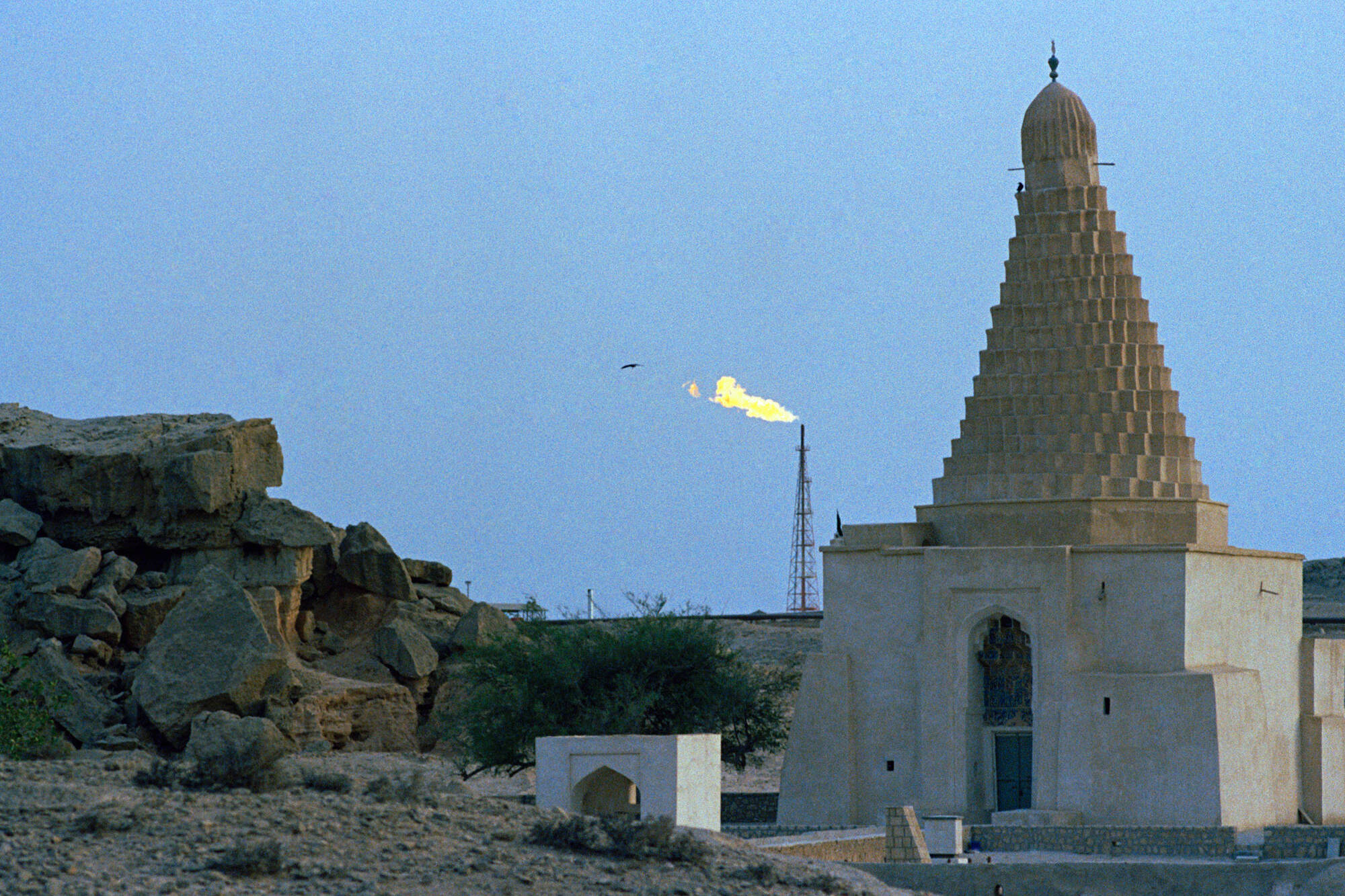
2) It has the world’s largest proven oil reserves, but produces far less than it used to.
The U.S. Energy Information Agency estimates Venezuela holds about 303 billion barrels of proven crude reserves, around 17% of the world total, much of it extra-heavy crude in the Orinoco Belt. Production is a different story, with Reuters reporting Venezuela averaged about 1.1 million barrels per day recently, around 1% of global output, down from 3.5 million b/d in the 1970s.
3) Under Maduro, Venezuela’s economy imploded, and daily life hollowed out.
The IMF estimates Venezuela’s GDP fell by more than 75% between 2013 and 2021, the steepest contraction for a country not at war in decades. By 2020, the IMF said more than 95% of Venezuelans were living below the poverty line.
4) Millions fled the country.
The Office of the United Nations High Commissioner for Refugees’ current public tally puts Venezuelan refugees and migrants at nearly 7.9 million worldwide as a result of Venezuela’s economic collapse in the last decade. While the bulk of Venezuelan migrants have moved elsewhere in Latin America, as of 2023, approximately 770,000 Venezuelan immigrants lived in the United States, up from 248,000 in 2013.
5) China, Russia, and Iran have helped keep the regime afloat.
The U.S. Energy Information Administration reports Venezuela’s post-2019 exports have heavily relied on oil-for-loans, noting that China loaned close to $50 billion in exchange for crude deliveries over the last decade, and that China received 69% of Venezuela’s crude exports in 2023. The EIA also reports that Iranian cooperation helped Venezuela boost exportable oil via importing materials to dilute heavy crude, and that Iran supplied crude that Venezuela could run in refineries, easing domestic fuel pressures. Meanwhile, Venezuela has been Russia’s biggest military customer in the western hemisphere since 2000, buying up to $20 billion worth of weapons and equipment. And all three countries recognized Maduro’s 2024 re-election even as most of the western world deemed the election illegitimate.
Related

Sam Zickar
Sam Zickar is Senior Writer at No Labels. He earned a degree in Modern History and International Relations from the University of St Andrews and previously worked in various writing and communications roles in Congress. He lives in the Washington, D.C. area and enjoys exercise and spending time in nature.