


Will Congress be able to avert yet another government shutdown?
Congress has until midnight Friday to fund major portions of the federal government or face a partial shutdown, just two and a half months after the longest government shutdown in American history.
The good news is that lawmakers have already completed work on half of the twelve annual spending bills that fund federal agencies. Six departments and their programs are funded through the end of the fiscal year in September. The bad news is that the remaining six bills, which account for roughly three quarters of annual discretionary spending, are caught up in a political fight over immigration enforcement.
What Is Funded and What Is Not
When the 43-day shutdown ended in November, Congress passed full-year funding for three areas: Agriculture, Military Construction and Veterans Affairs, and the Legislative Branch. In January, lawmakers added three more: Commerce-Justice-Science, Energy and Water, and Interior and Environment. These six departments and agencies can operate normally through September 30.
The remaining six appropriations bills passed the House with bipartisan support earlier this month. Defense, Labor-Health and Human Services-Education, and Transportation-Housing and Urban Development passed together by a vote of 341 to 88. Financial Services and State-National Security passed 341 to 79. Even Homeland Security, which funds the most politically charged agencies, passed the House, though by a narrower 220 to 207 margin.
Under normal circumstances, this level of bipartisan agreement in the House would signal smooth passage in the Senate. But circumstances are not normal.

The Minneapolis Factor
The current impasse has its roots not in budget disputes but in the two fatal shootings by federal immigration agents in Minneapolis earlier this month.
On January 7, an ICE agent shot and killed Renée Good, a 37-year-old mother of three. On January 24, Border Patrol agents shot and killed Alex Pretti, a 37-year-old intensive care nurse who worked at the Minneapolis VA hospital.
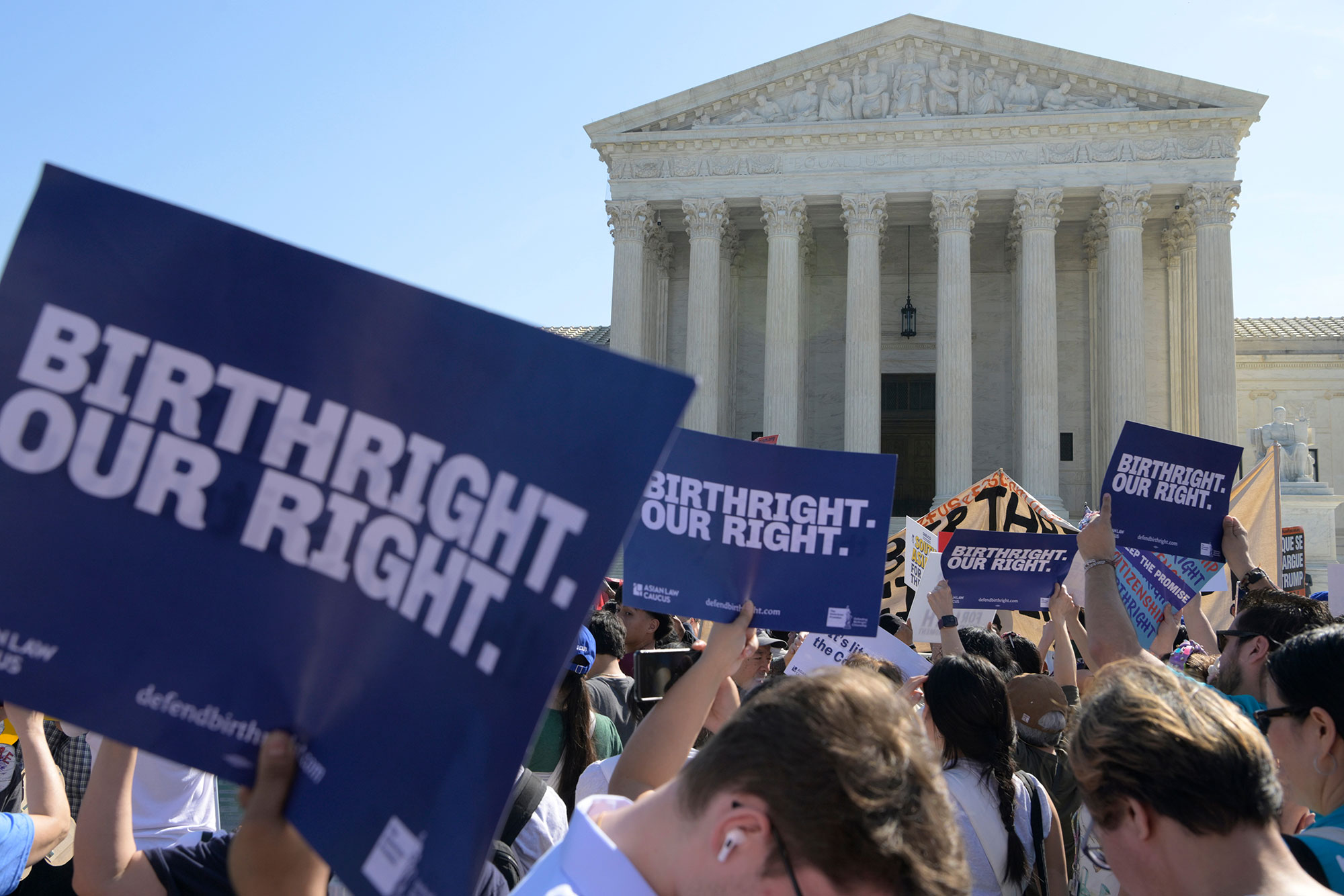
The two deaths have galvanized Senate Democrats, who announced they would block any funding package that includes Department of Homeland Security appropriations without major policy changes. Because the Senate requires 60 votes to advance most legislation and Republicans hold only 53 seats, Democrats have the leverage to stop the bill.
Senate Minority Leader Chuck Schumer laid out a list of demands on Wednesday: restrictions on roving patrols, tighter warrant requirements, strengthened use-of-force policies, mandatory body cameras, and explicit prohibitions on raids at places of worship, hospitals, and schools. Democrats who had previously voted with Republicans to end the November shutdown, including Senators Jacky Rosen and Catherine Cortez Masto of Nevada, have said they will not support DHS funding without these reforms.
The Path Forward
As of Wednesday evening, the White House and Senate leaders were negotiating a potential compromise. The emerging framework would pass five of the six remaining appropriations bills with full-year funding through September while extending Homeland Security funding temporarily through a continuing resolution. That would give negotiators more time to work out policy changes to immigration enforcement.
The approach has support from Republicans who want to avoid another shutdown, though they have insisted that the White House sign off on any deal before they proceed. Several senators from both parties met privately on Wednesday to discuss options.
One complication is timing. If the Senate changes the funding package, the House would need to vote again, and House members are on recess until February 2. Speaker Mike Johnson would have to call members back early, and there is no indication he plans to do so.
What a Partial Shutdown Would Mean
If Congress fails to act by midnight Friday, the agencies covered by the six remaining bills would enter a funding lapse. Here are some of the practical effects of a partial shutdown:
- Troops would continue to serve but without pay.
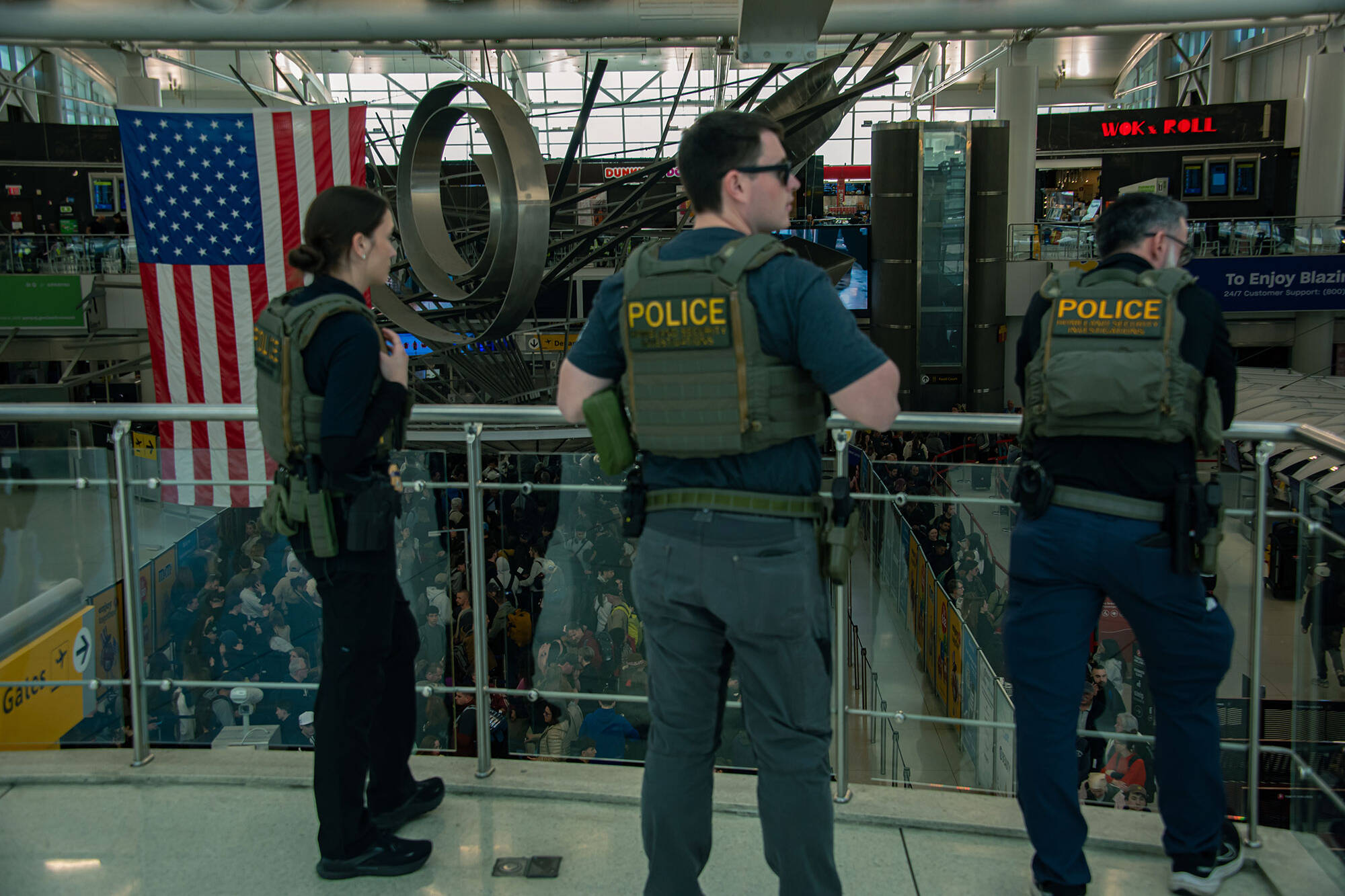
- Border Patrol and TSA agents would keep working, also without pay, likely leading to increased airport delays as morale and staffing suffer.
- The Coast Guard would operate on a limited basis.
- FEMA’s disaster response capacity would be reduced.
- At the National Institutes of Health, clinical trials would be paused.
- The Centers for Disease Control and Prevention would slow disease monitoring.
- Passport and visa processing would grind down.
- IRS audits would be delayed, and SEC and FTC enforcement would be slowed.
One notable exception: ICE itself would continue operating largely unaffected. Last year’s reconciliation bill, the One Big Beautiful Bill Act, provided the agency with roughly $75 billion (about $230 per person in the US) over four years, separate from the annual appropriations process. Senator Patty Murray, the top Democrat on the Senate Appropriations Committee, has pointed out the irony that a shutdown over ICE accountability would leave ICE fully operational while shuttering the Coast Guard and FEMA.
The Bigger Picture
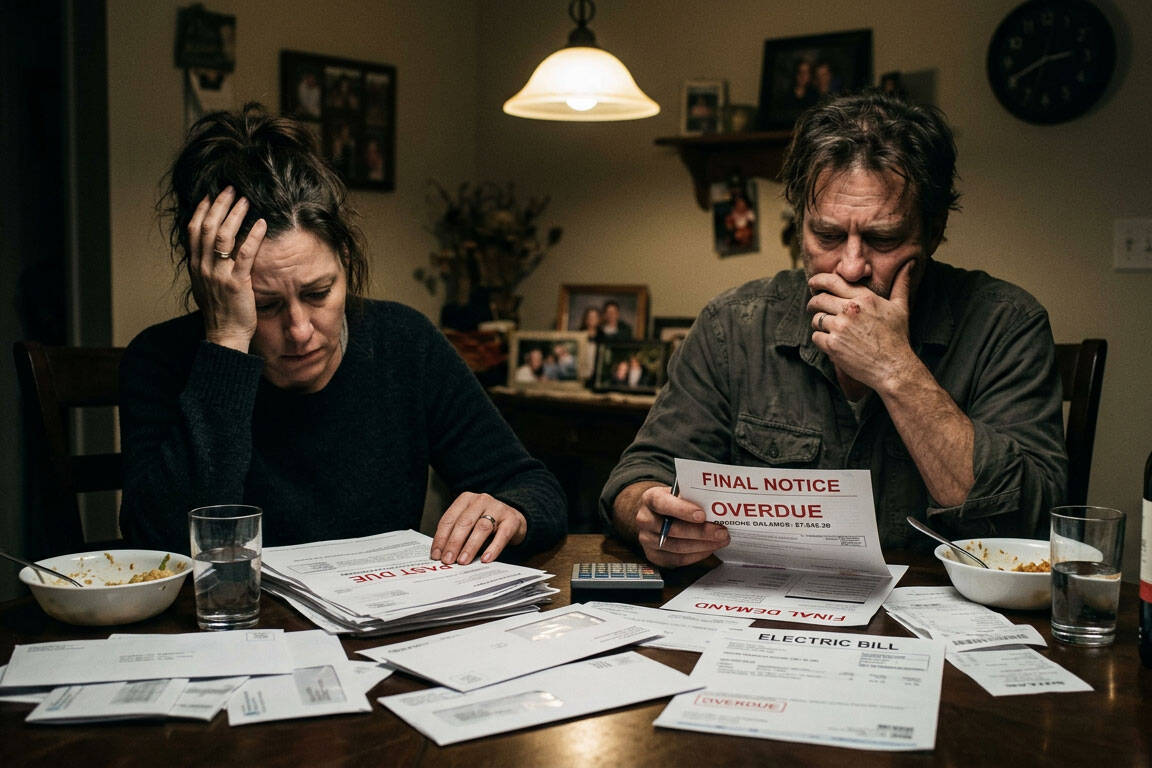
The current standoff comes after a year of repeated funding crises. The 43-day shutdown that began October 1 was the longest in American history, leaving nearly 700,000 federal workers furloughed and another 730,000 working without pay. By the time it ended, almost three million paychecks had been withheld, representing roughly $14 billion in delayed wages.
That shutdown ended when a handful of Senate Democrats broke with their party to vote for a continuing resolution, accepting a promise of a future vote on Affordable Care Act subsidy extensions. That vote failed in December, and the subsidies remain in limbo.
This time, Democrats appear more unified in their demands, and the political environment has shifted. Public attention on the Minneapolis shootings has given them leverage they did not have in the fall.
Whether that leverage produces policy changes or simply another standoff remains to be seen. Congress has less than 48 hours to figure it out.




You must be logged in to post a comment.