

NIGHTMARE ON MAIN STREET
Just the Facts on America’s Growing National Debt
NIGHTMARE ON MAIN STREET
Just the Facts on America’s Growing National Debt
The federal government spent $6.8 trillion last year. It took in $4.9 trillion. That gap – nearly $2 trillion – is added to a national debt already on a trajectory toward the largest it has ever been as a share of our economy, dwarfing even World War II levels.
The consequences – for your retirement, your health care, your family's future – are already arriving.
No Labels is walking through the most pressing fiscal challenges facing the country: where the money goes, why the numbers keep getting worse, and what it would actually take to fix them. No spin. No finger-pointing. Just the facts – and the honest conversations Washington has been too afraid to have. For our country to avert a Nightmare on Main Street , we all need to first get our heads around what is driving our country’s growing debt problem.
Download our Nightmare on Main Street Discussion Guide
The Bill for COVID Is Still Coming Due
Before COVID, the federal government spent an average of $4 trillion a year. Since 2020, that number has jumped to $6.5 trillion – and it has never come back down. The gap between what we spend and what we take in is now nearly $2 trillion a year, and the interest alone on that borrowing is one of the fastest-growing items in the entire budget.
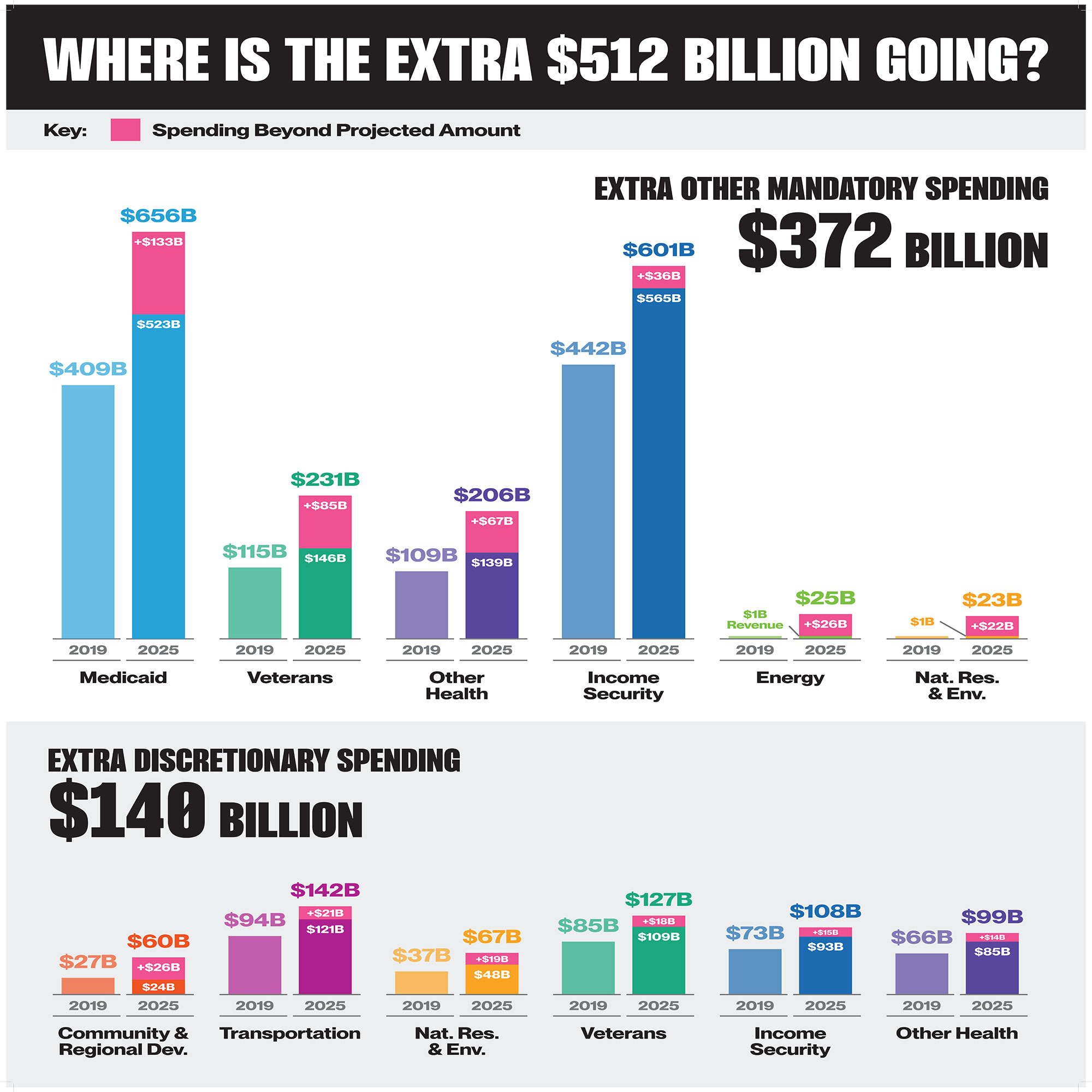
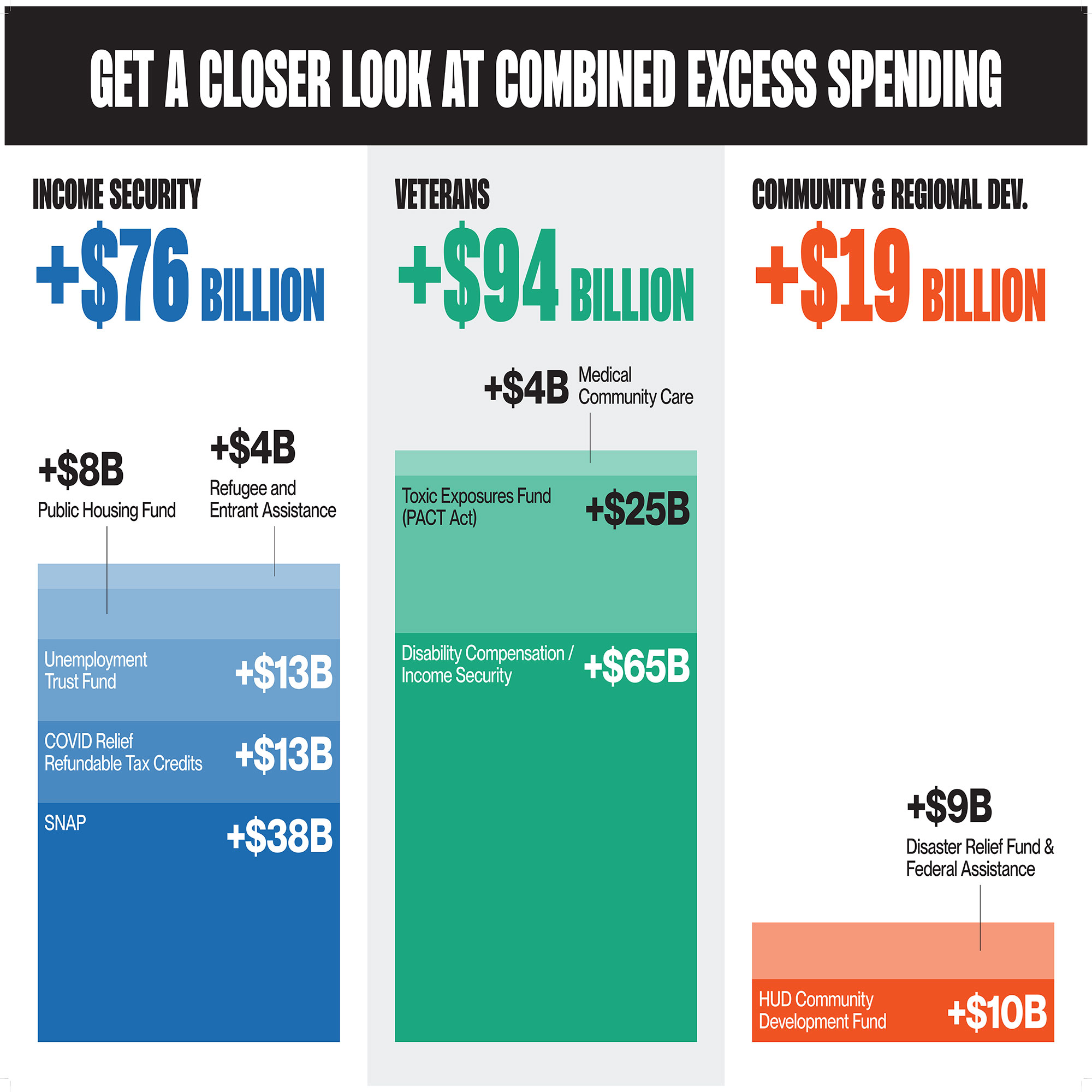
Some of the increase was COVID emergency spending. But $512 billion in new spending above pre-pandemic projections is now permanently baked in – spread across Medicaid, veterans' programs, income security, and more. The pandemic unlocked a new level of federal spending. Most of it never went away.
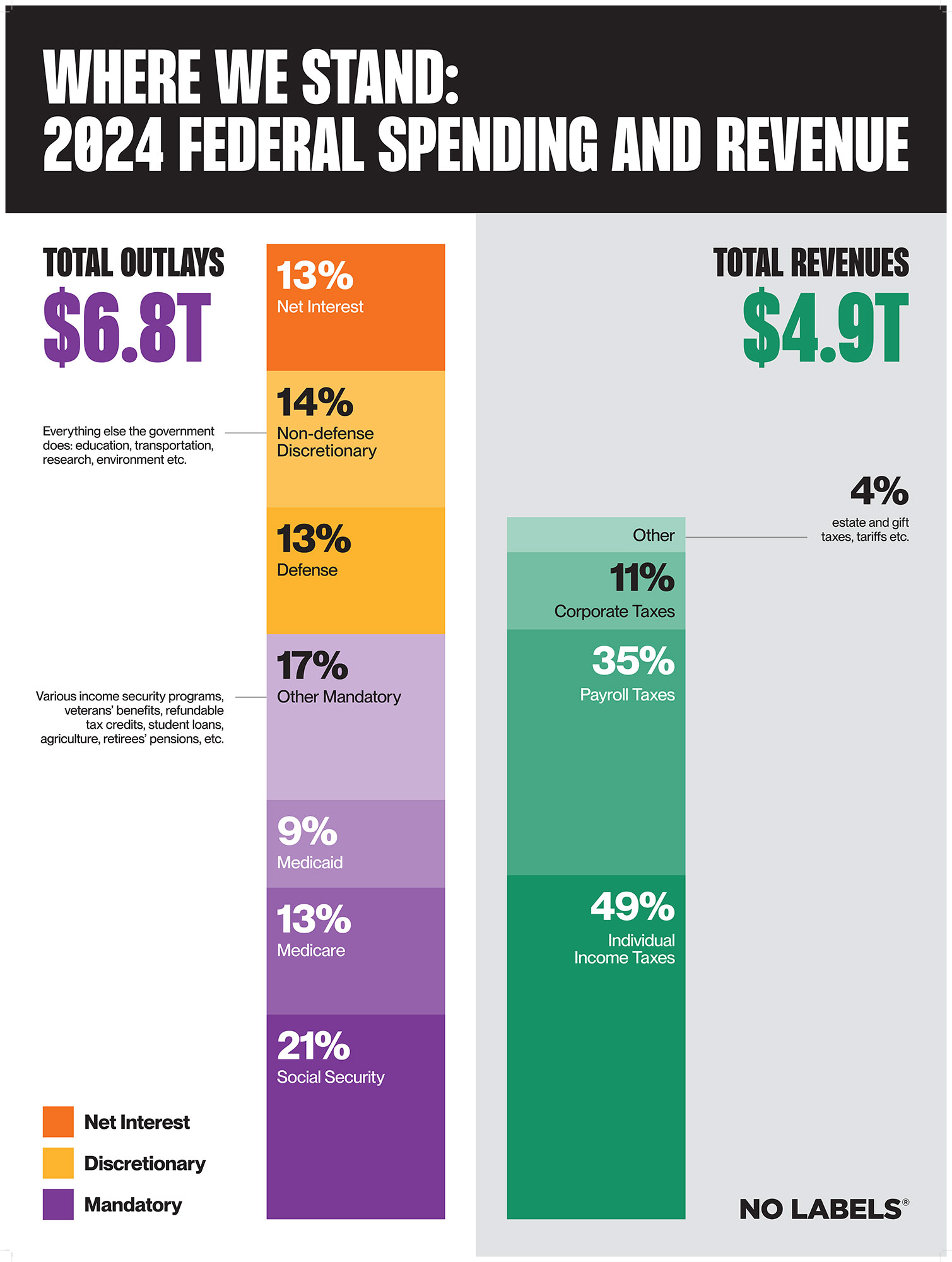
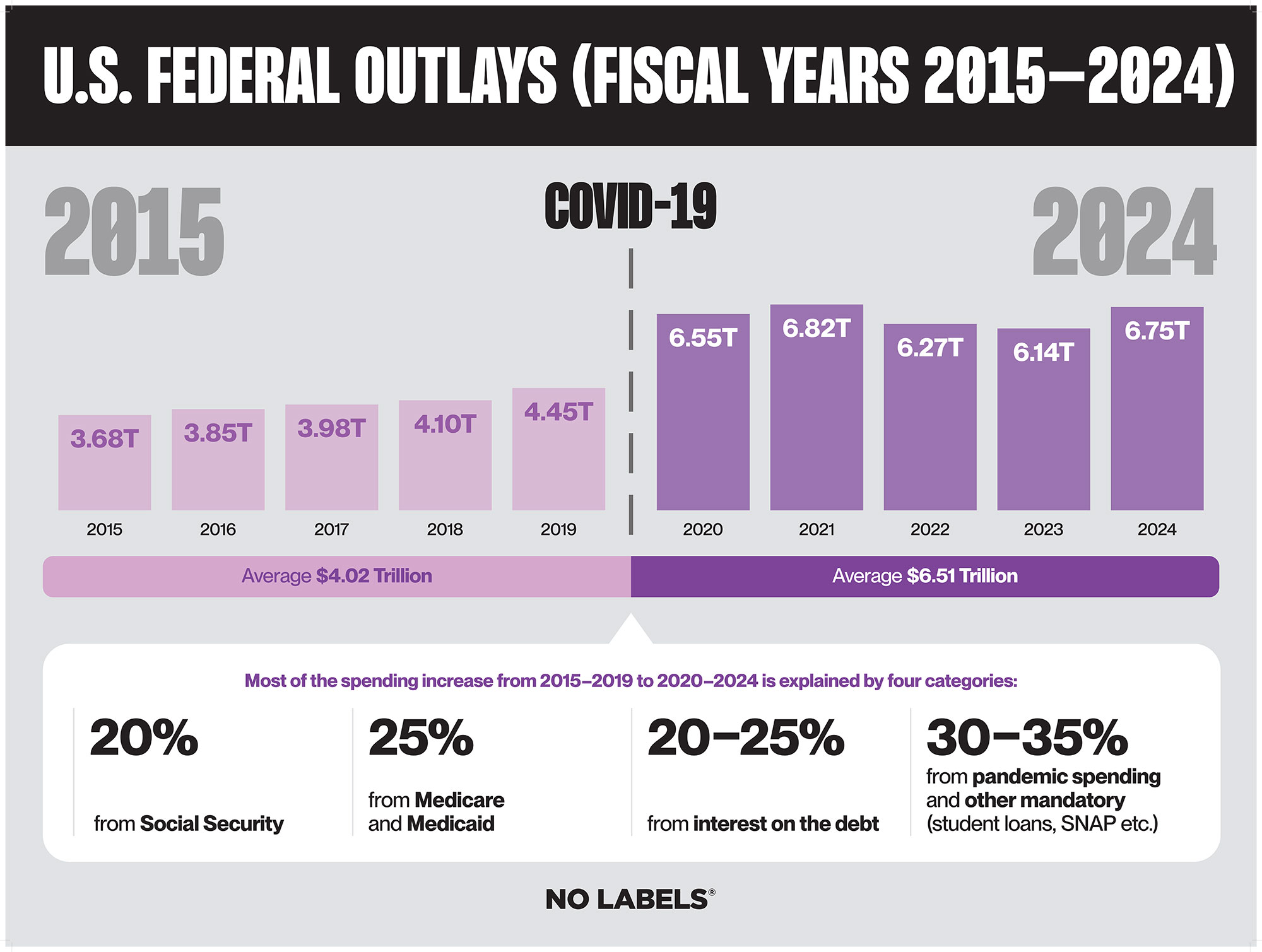
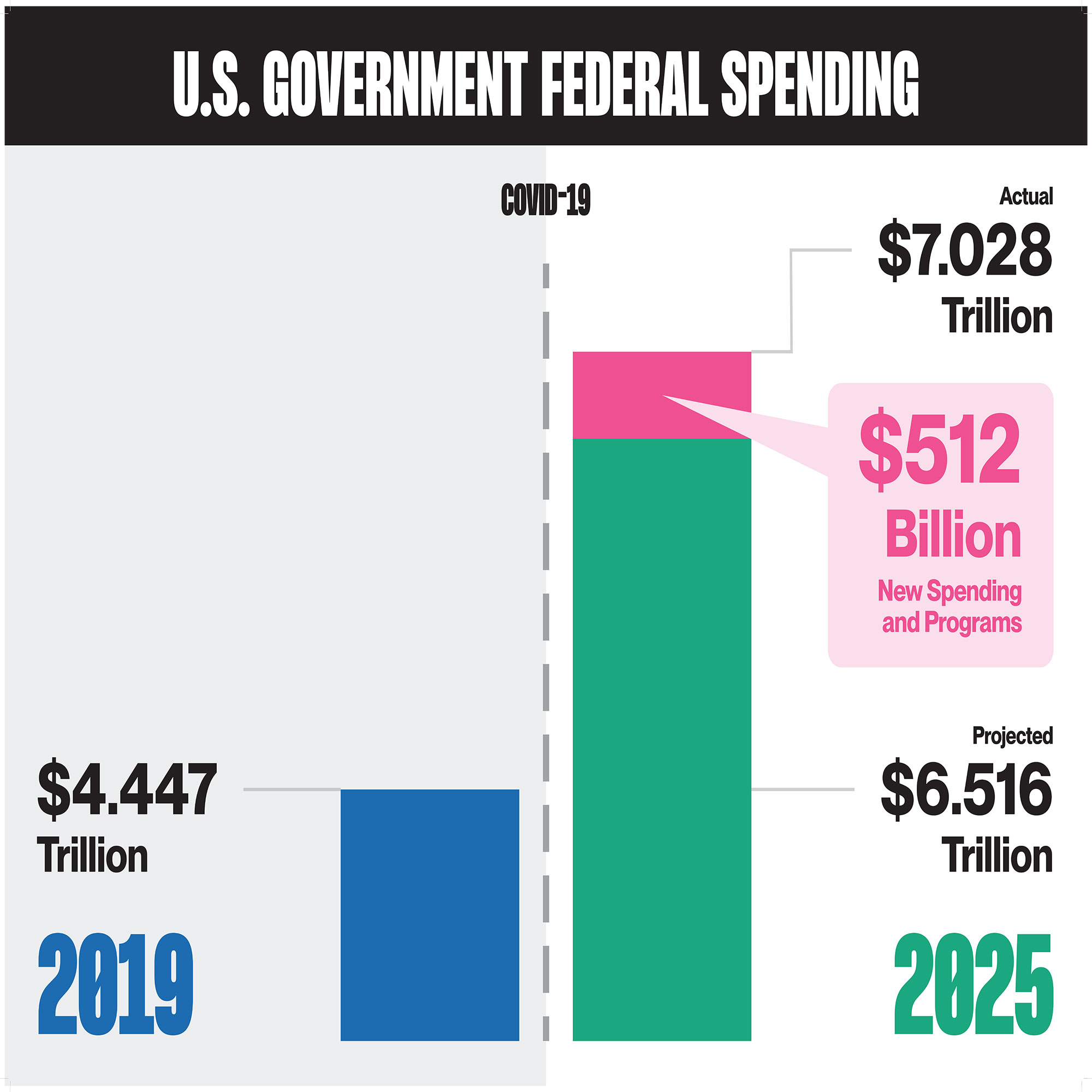

Where We Stand / Covid Spending
Federal spending jumped by more than $2 trillion after COVID, and much of it never came back down.
Date: Thursday, April 16
Time: 4:00 PM ET
The Anatomy of a Debt Crisis
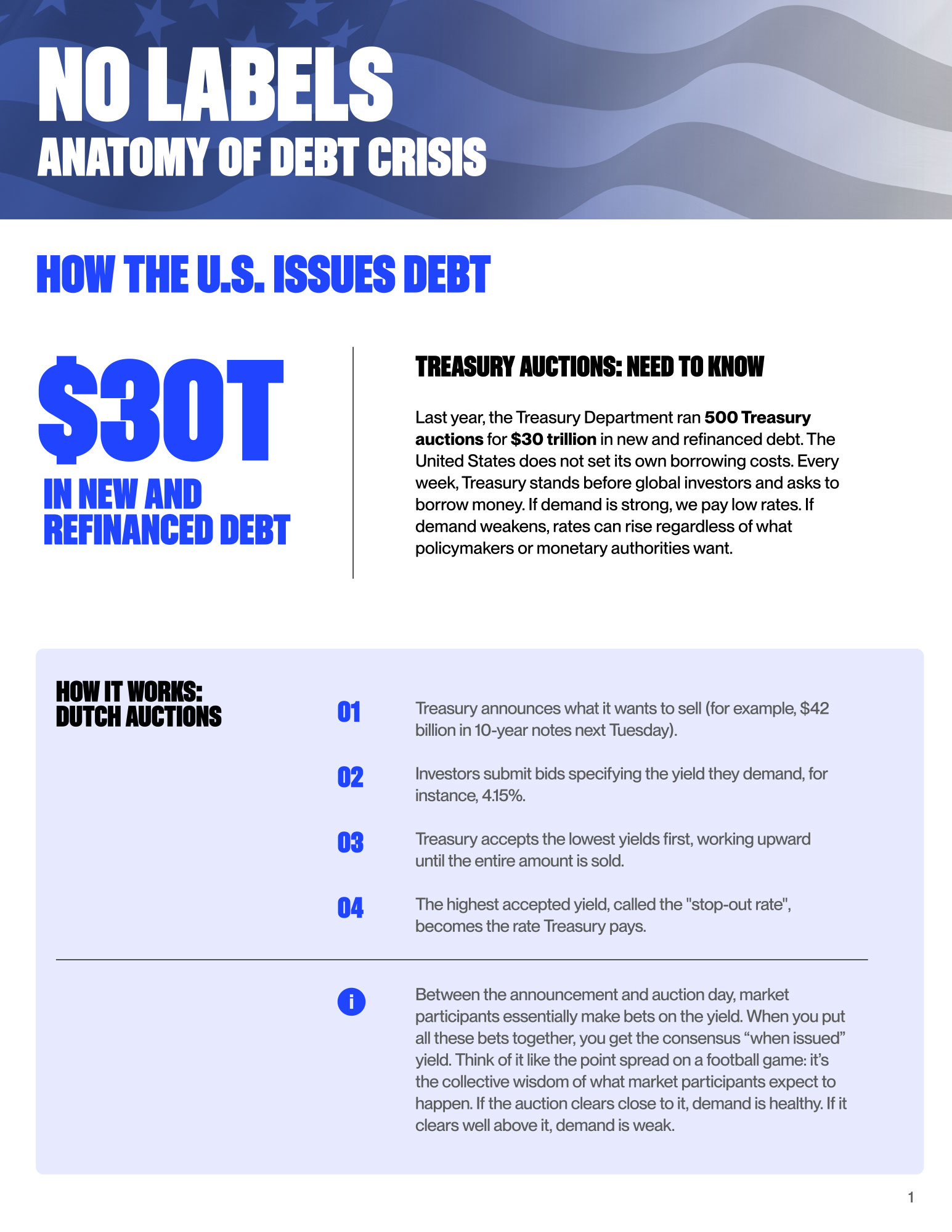
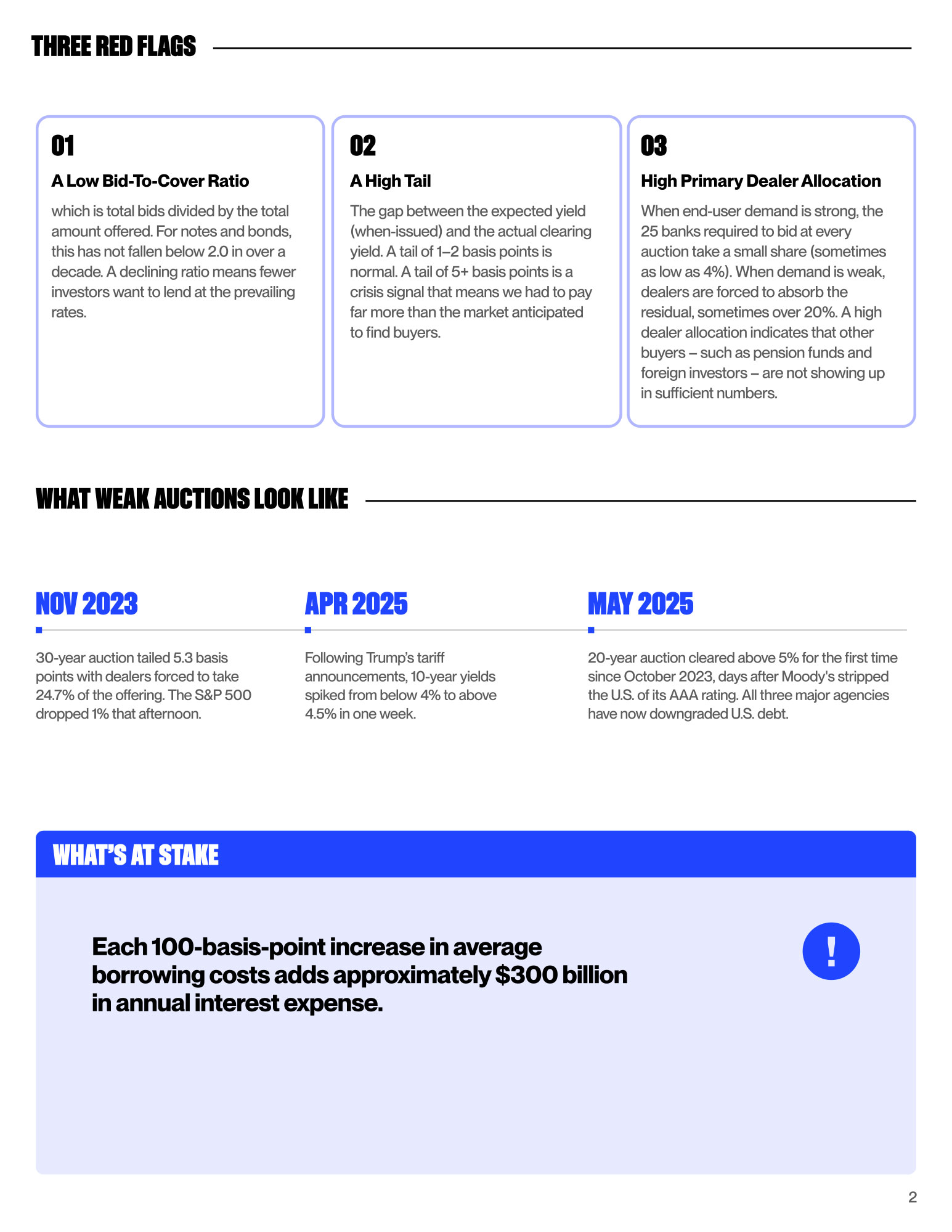
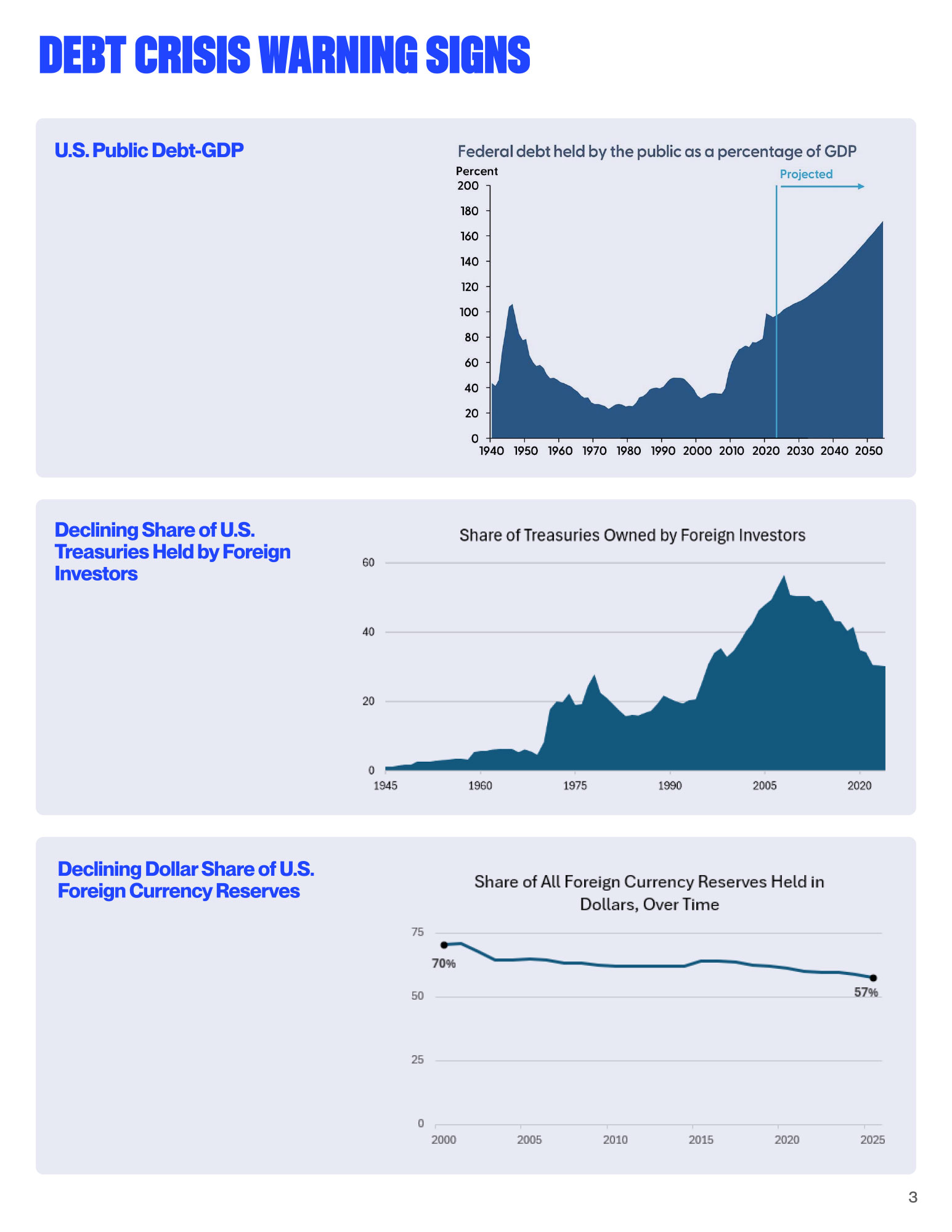
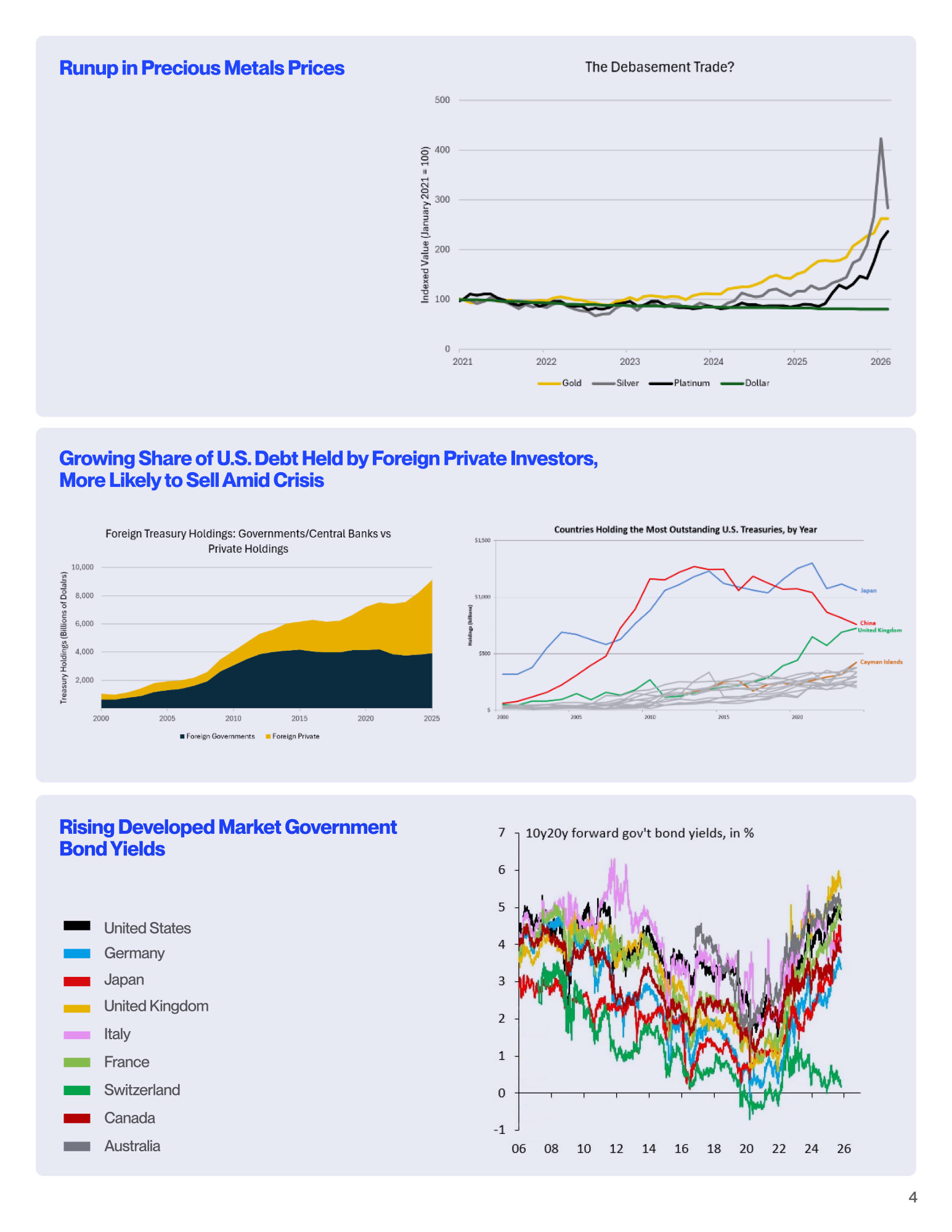
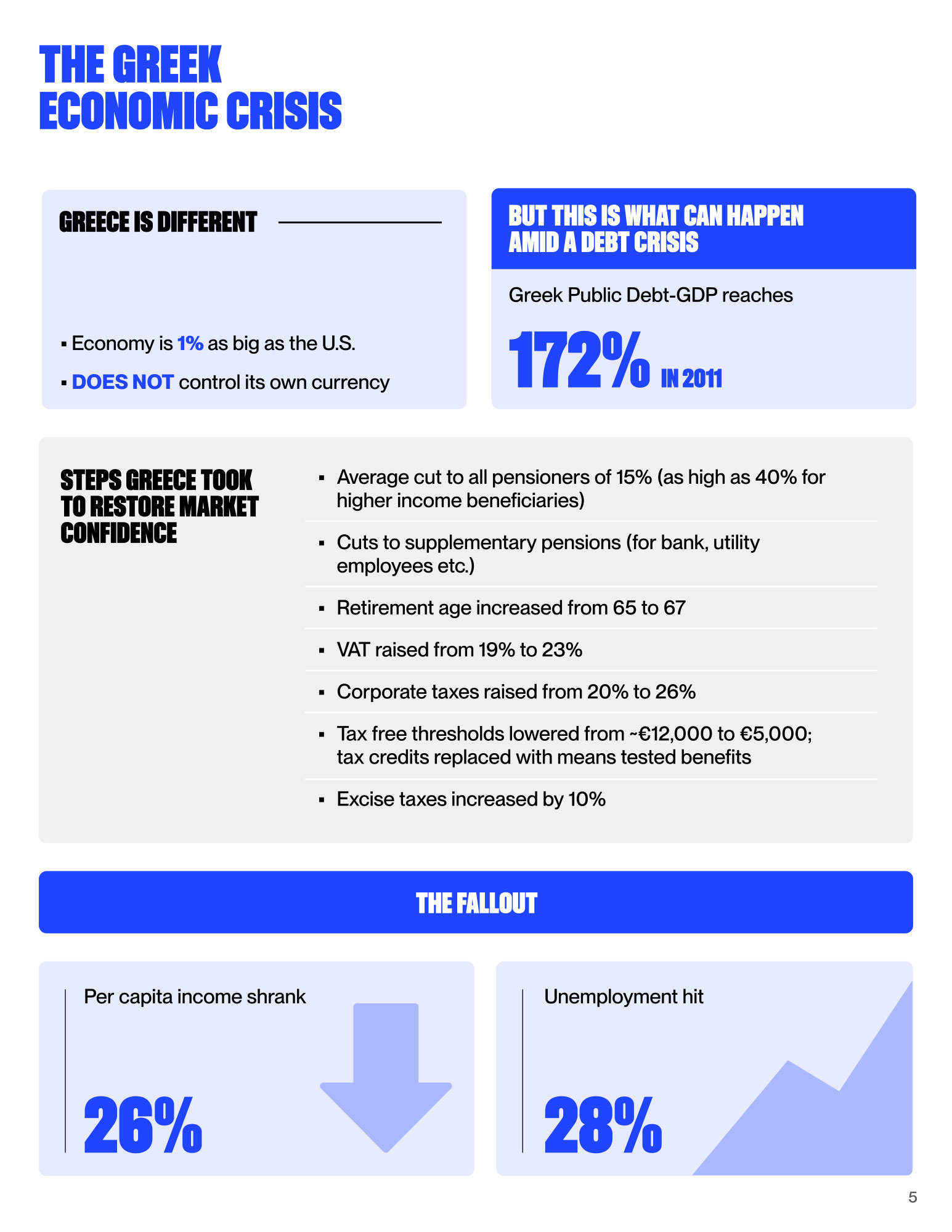
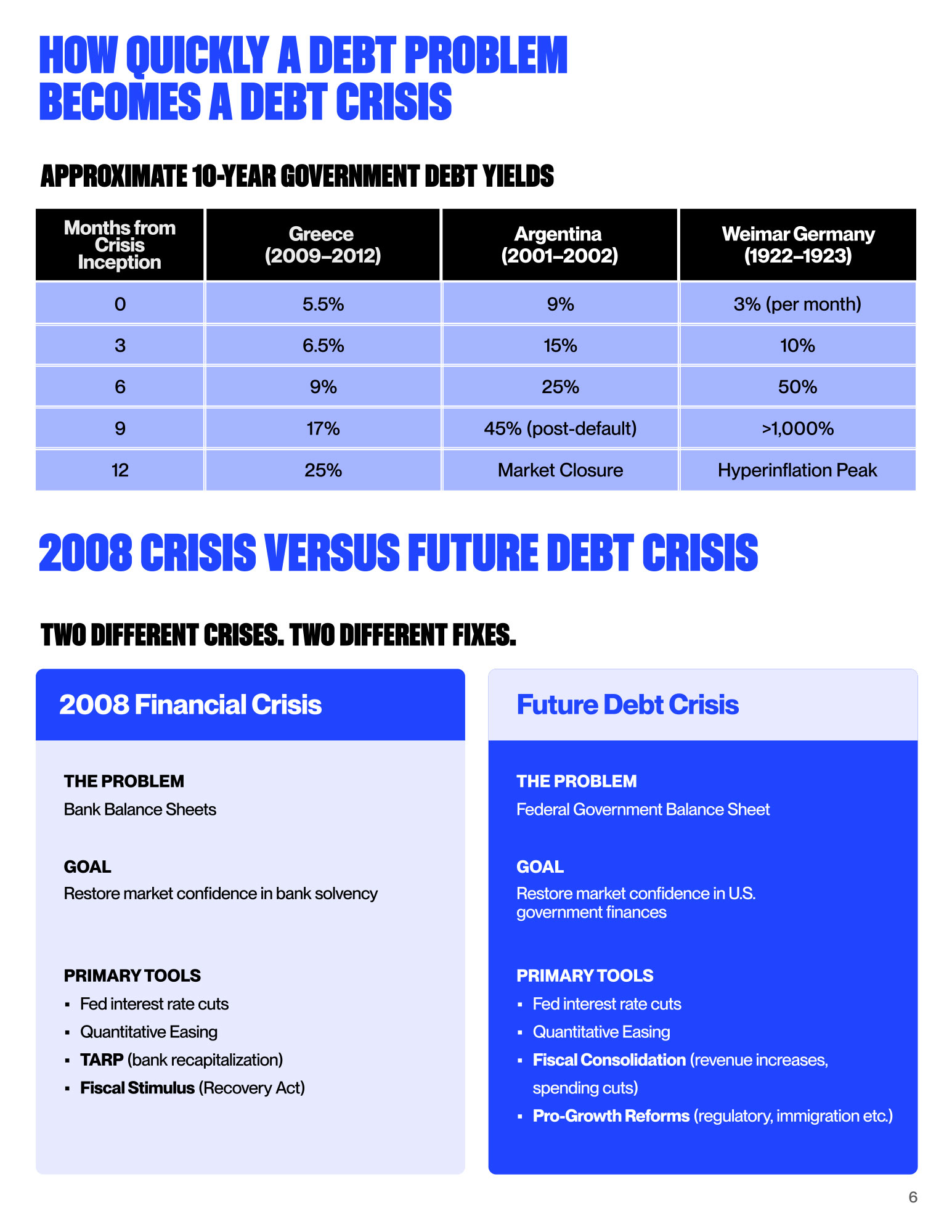
When a country faces a debt crisis, it is usually rooted in a deeper loss of confidence. If the investors who lend the U.S. government money every week start to lose faith in our government’s creditworthiness, borrowing costs spike. On a $38 trillion debt, even a modest rate increase sends shockwaves through the economy: higher mortgage rates, slower growth, a government with no room left to move.
The warning signs are already here. All three major credit agencies have downgraded U.S. debt. The dollar's share of global reserves has dropped from 70% to 57%. No Labels spent months with former Treasury and Fed officials mapping out how this could lead to a crisis, which we reveal in Nightmare on Main Street – an oral history of a debt crisis hitting the U.S. in 2028. Experts call it realistic. Washington is acting like it is not.
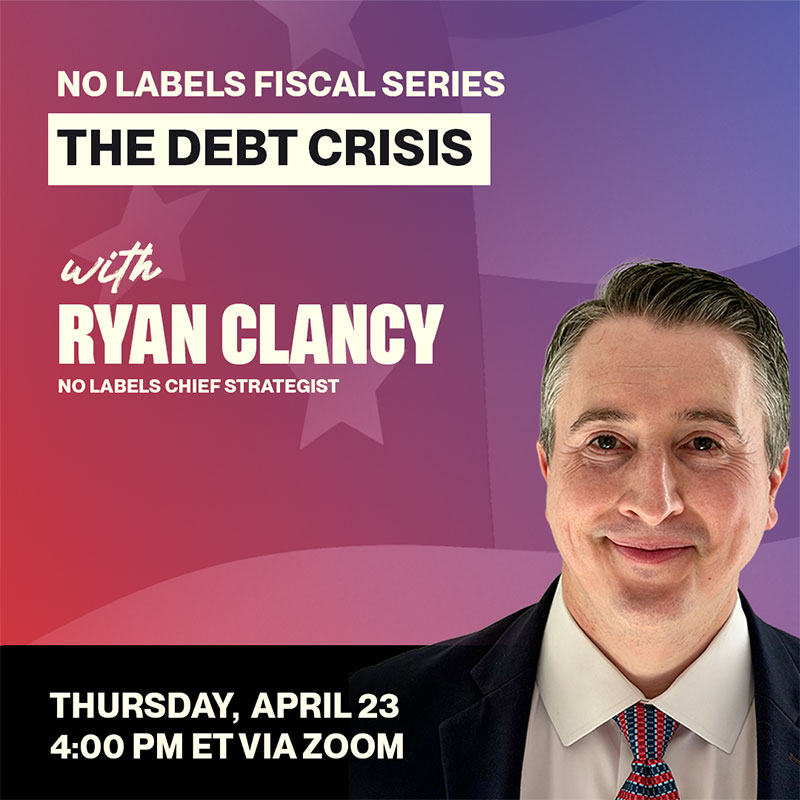
The Debt Crisis
America doesn’t set its own borrowing costs. Global investors do. And the warning signs are already here.
Date: Tuesday, April 23
Time: 4:00 PM ET
Social Security's Countdown Clock
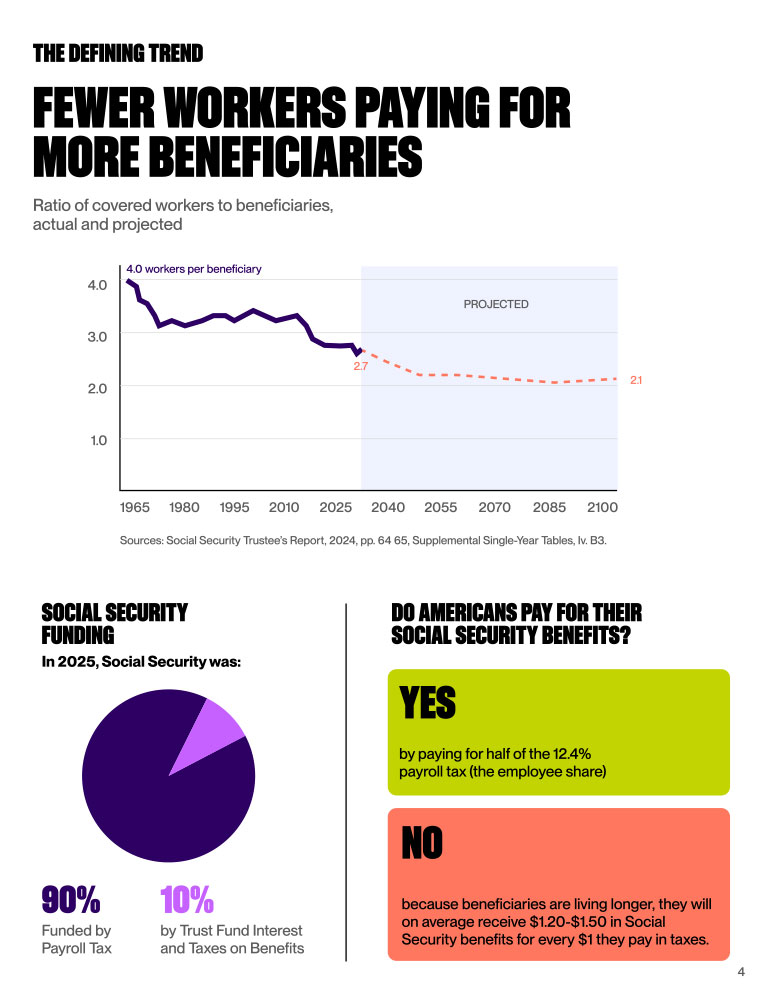
Social Security is the single largest program in the federal budget – 21 cents of every dollar spent. Nearly 74 million Americans receive benefits. For 27% of them, it is their only source of income. The program is also, on its current trajectory, running out of money.
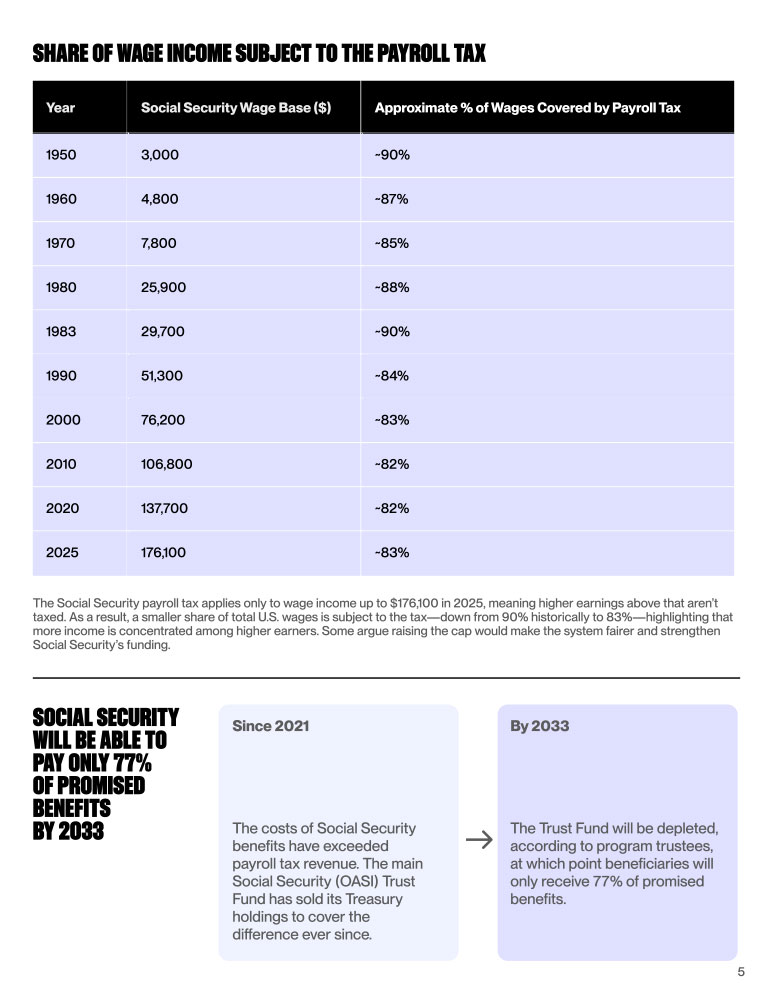
Since 2021, costs have exceeded payroll tax revenues. The Social Security trust funds are being drawn to cover the gap. The program's own trustees project that it will be depleted by 2033 – at which point Social Security could pay only 77 cents of every promised dollar. That means any politician who does not have a plan to fix Social Security is, in effect, saying they are fine with millions of Americans getting a benefit cut.
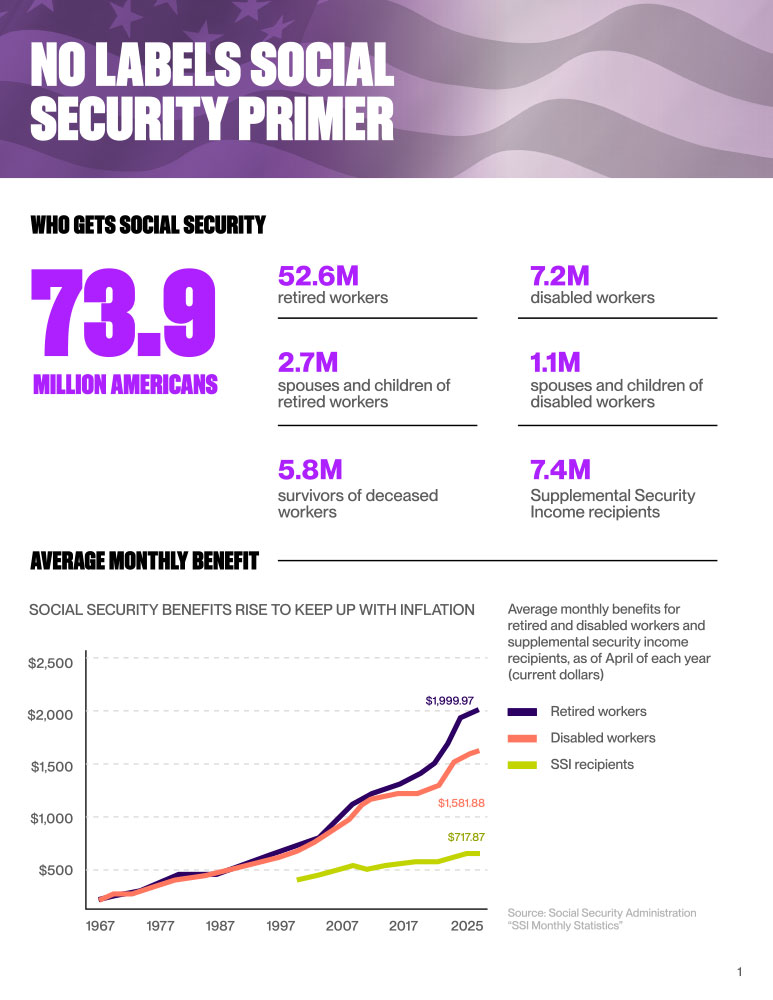
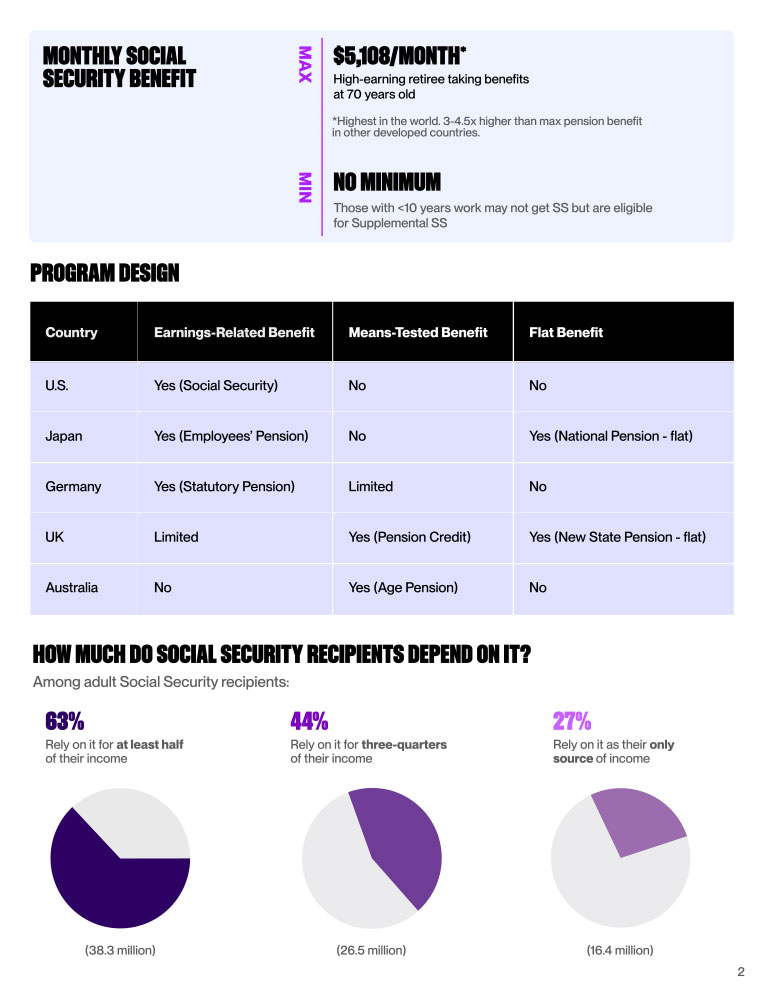
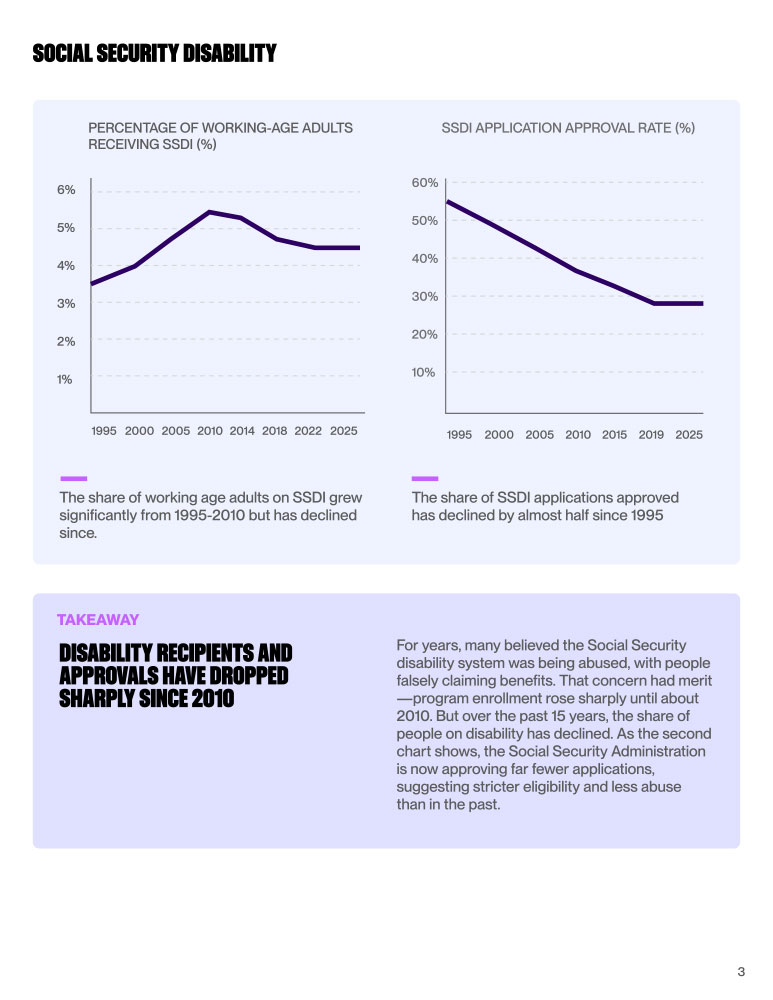

Social Security
The program’s own trustees say the trust fund runs dry in 2033. What does that actually mean, and what can be done?
Date: Tuesday, April 28
Time: 4:00 PM ET
Are We Getting Our Money's Worth on Health Care?
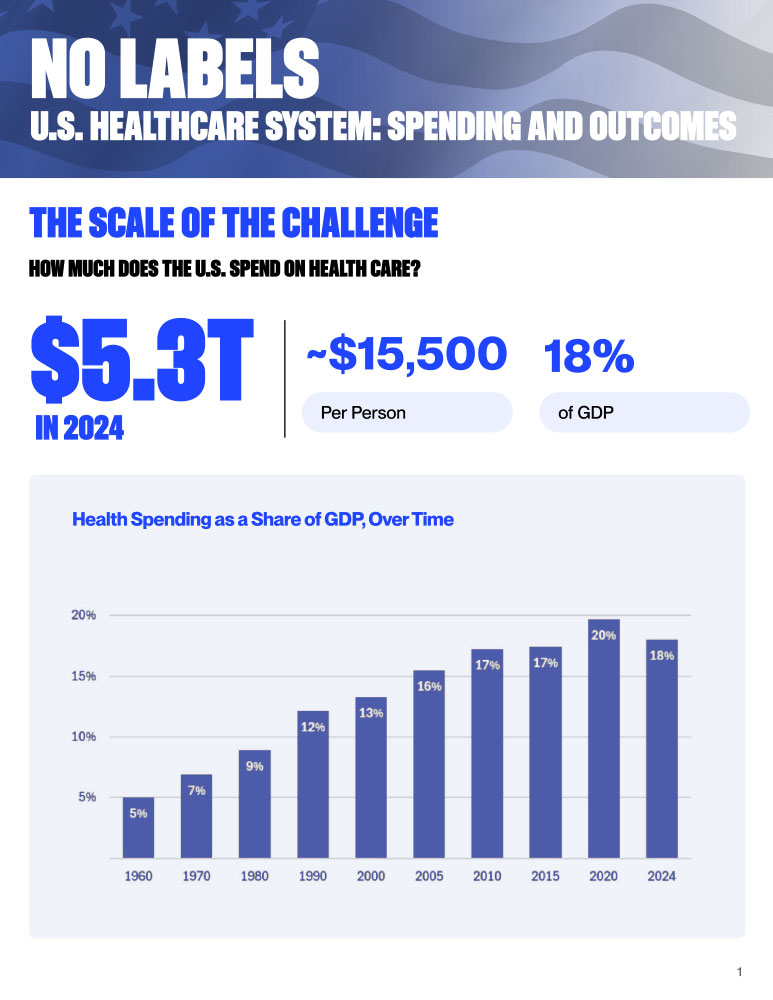
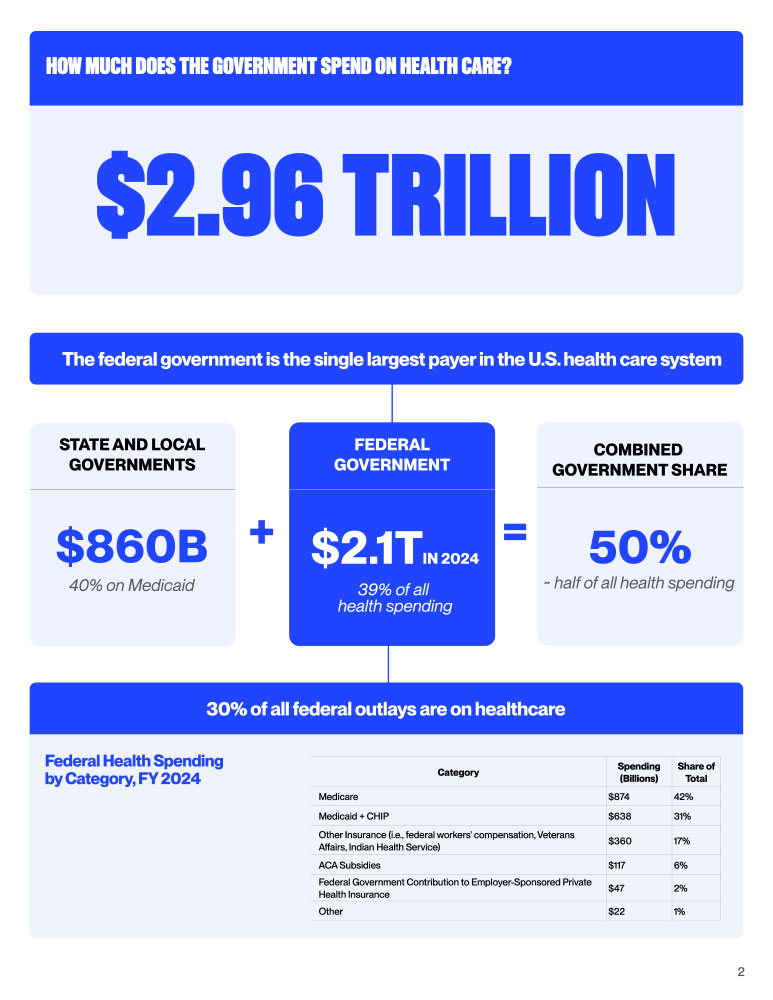
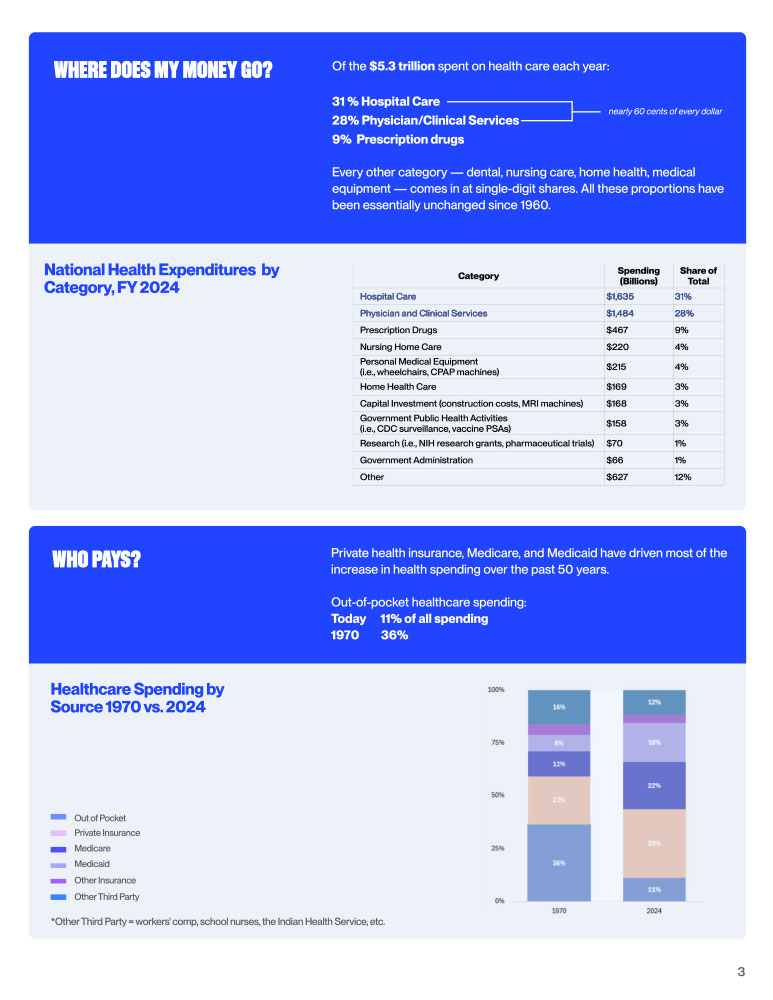
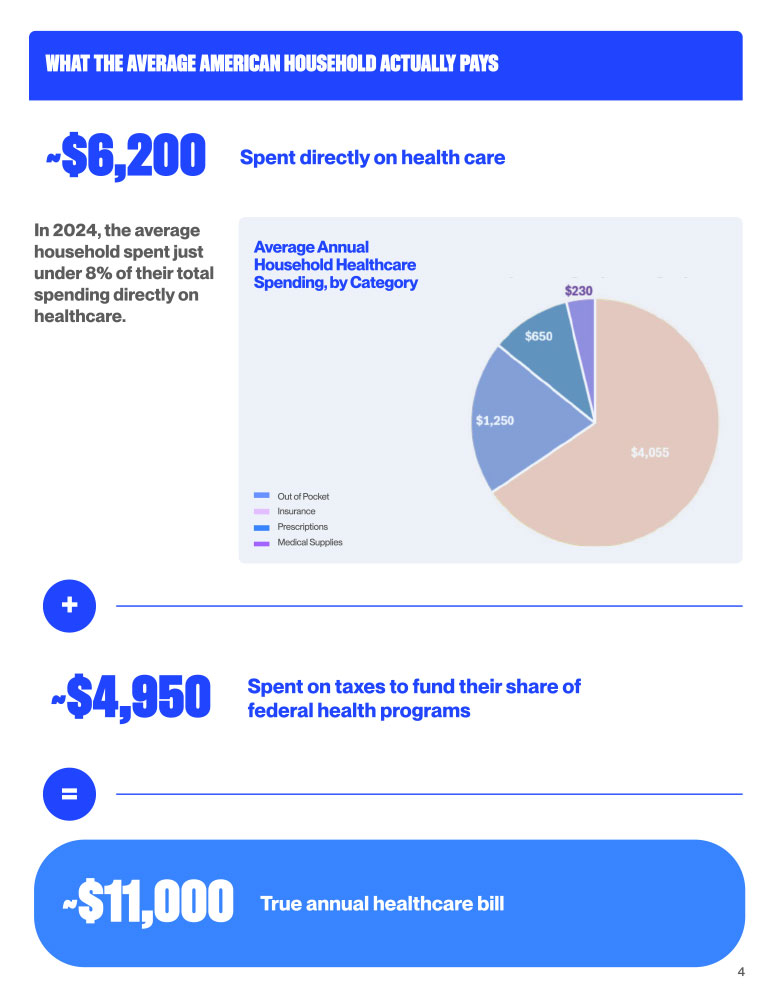
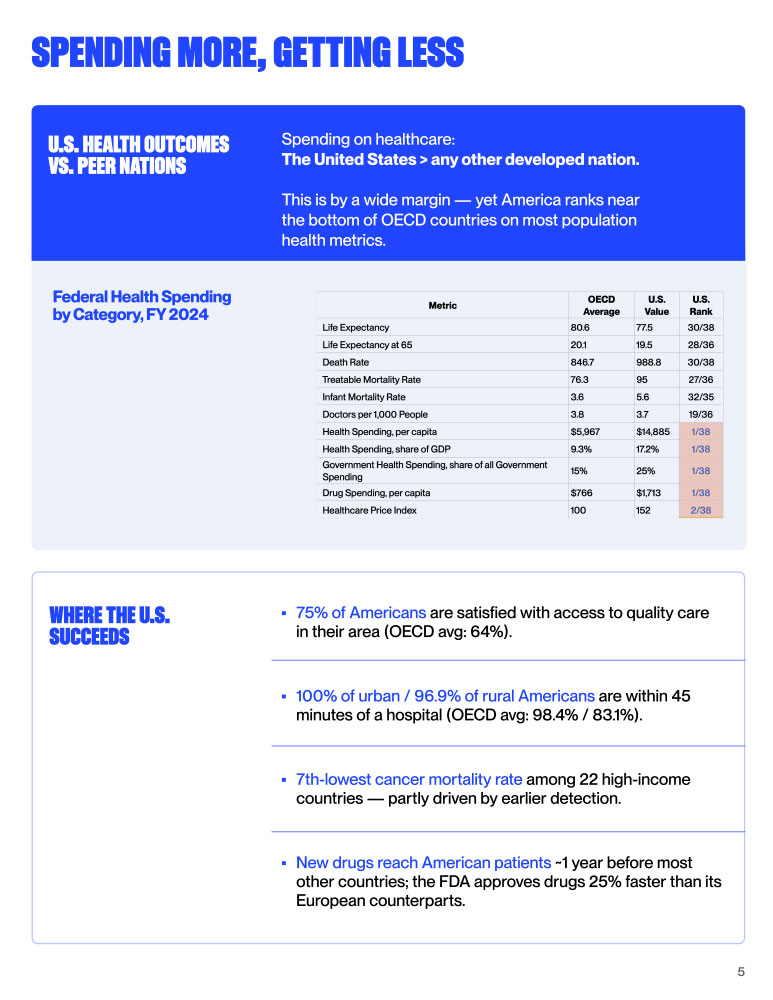
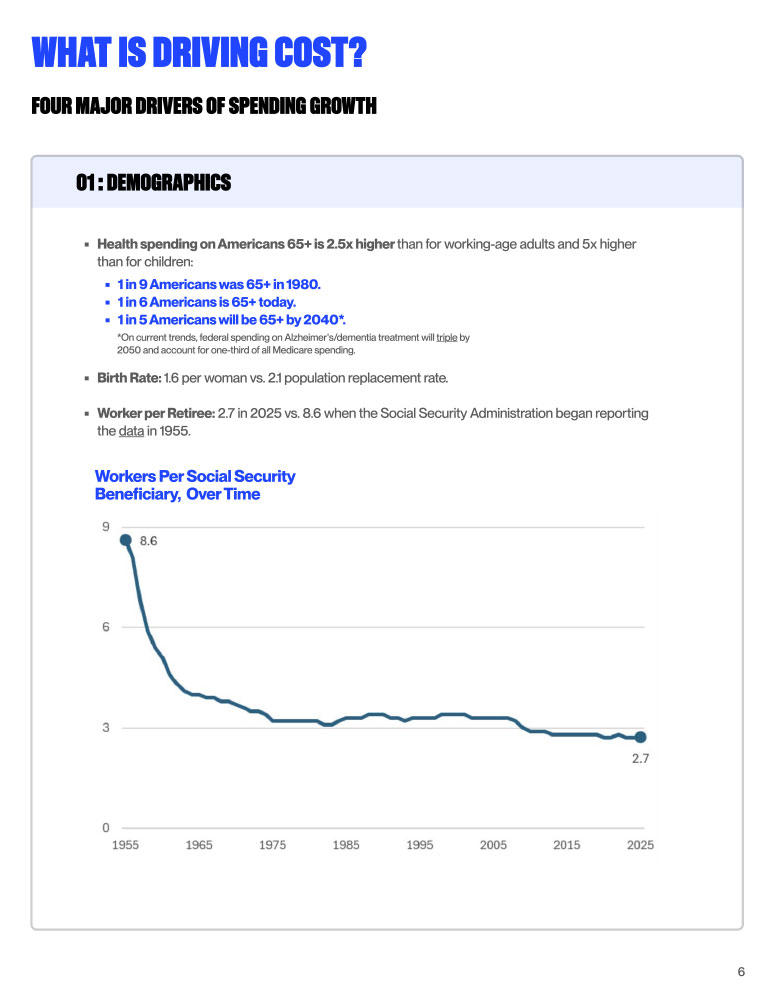
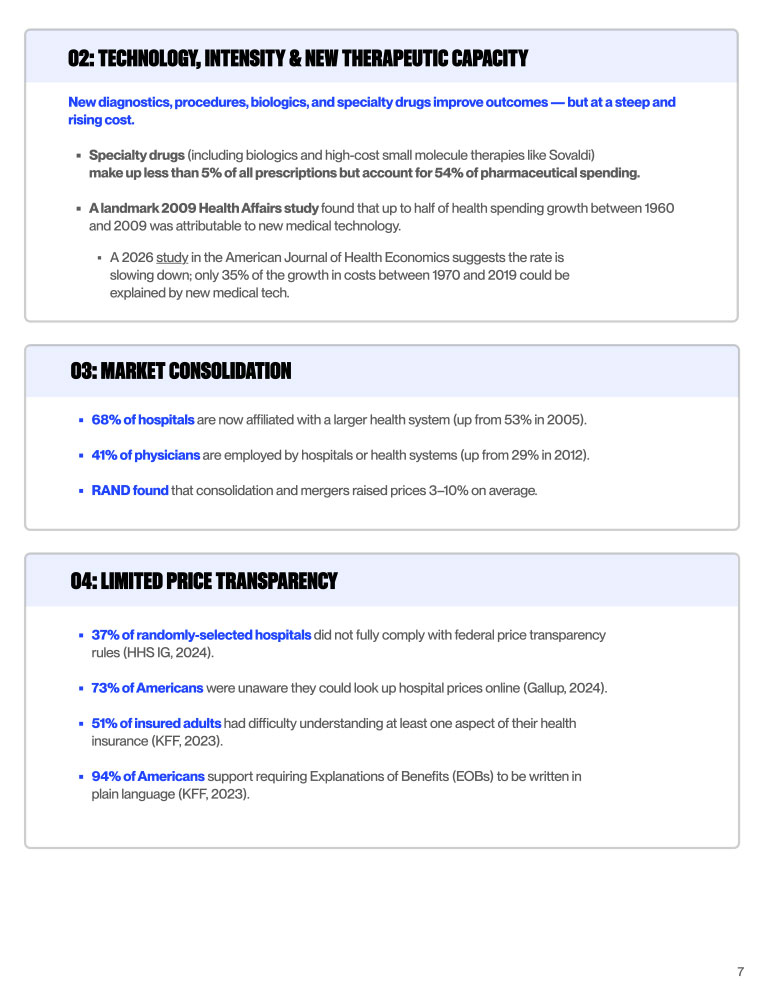
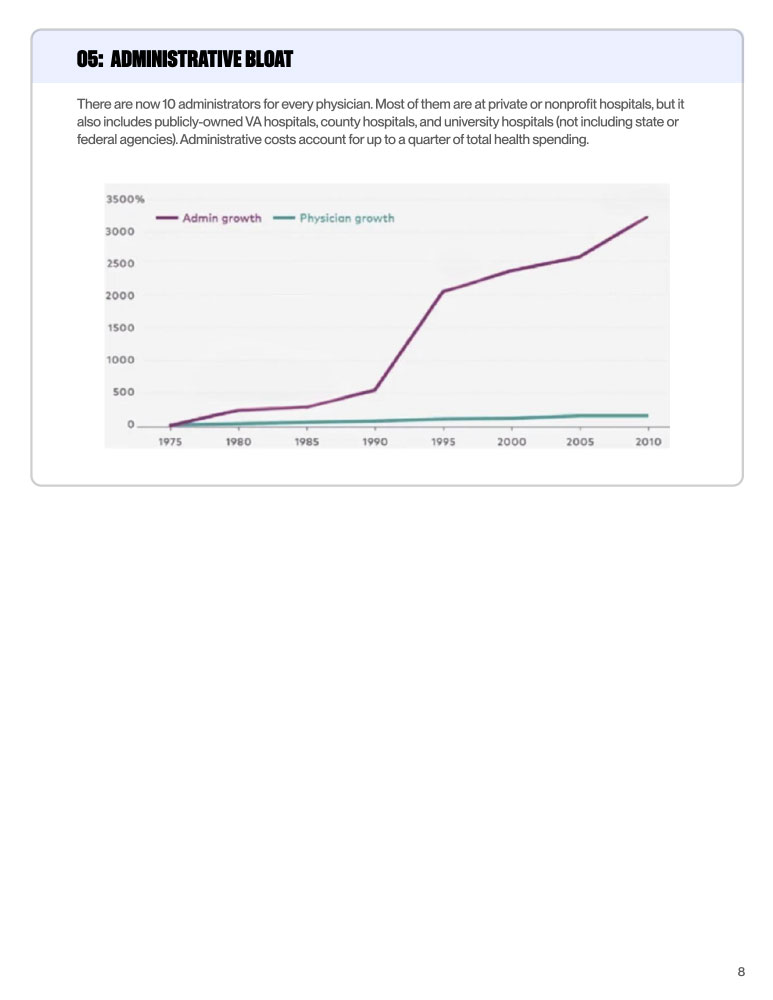
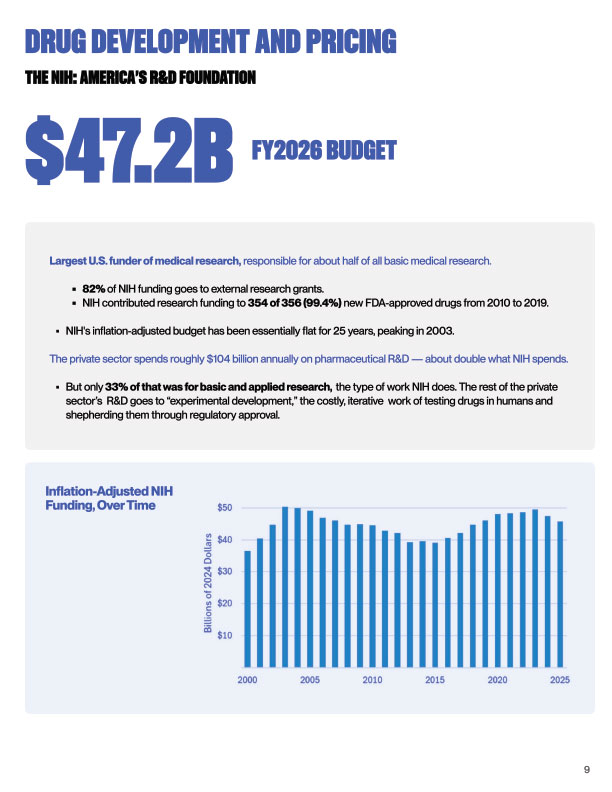
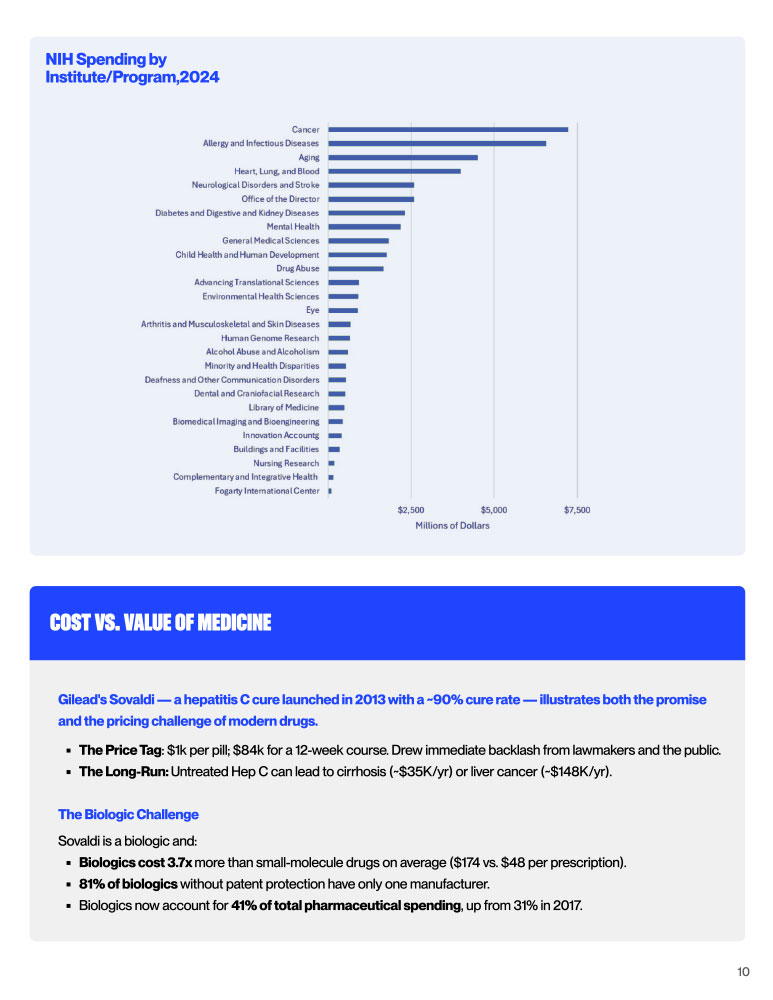
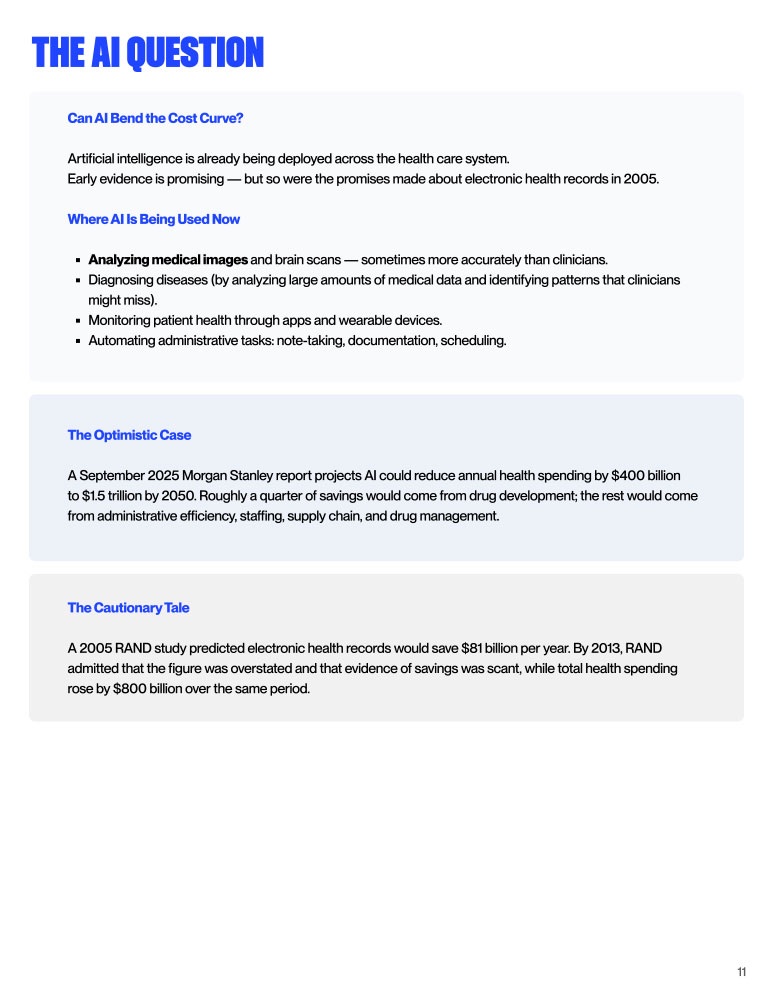
The U.S. spends $5.3 trillion on health care – $15,500 per person, 18% of GDP, more than any other country in the world by a wide margin. Government programs account for roughly half of that, and 30 cents of every federal dollar goes to health care. Despite all of it, America ranks near the bottom of developed nations on life expectancy, infant mortality, and treatable death rates.
Costs have been climbing for decades with no real end in sight. This call is about understanding why, and what an honest conversation about fixing it actually requires.

Health Care
We spend more than any other country in the world. We’re not getting the results to match.
Date: Thursday, May 7
Time: 4:00 PM ET
What It Costs to Keep America Safe
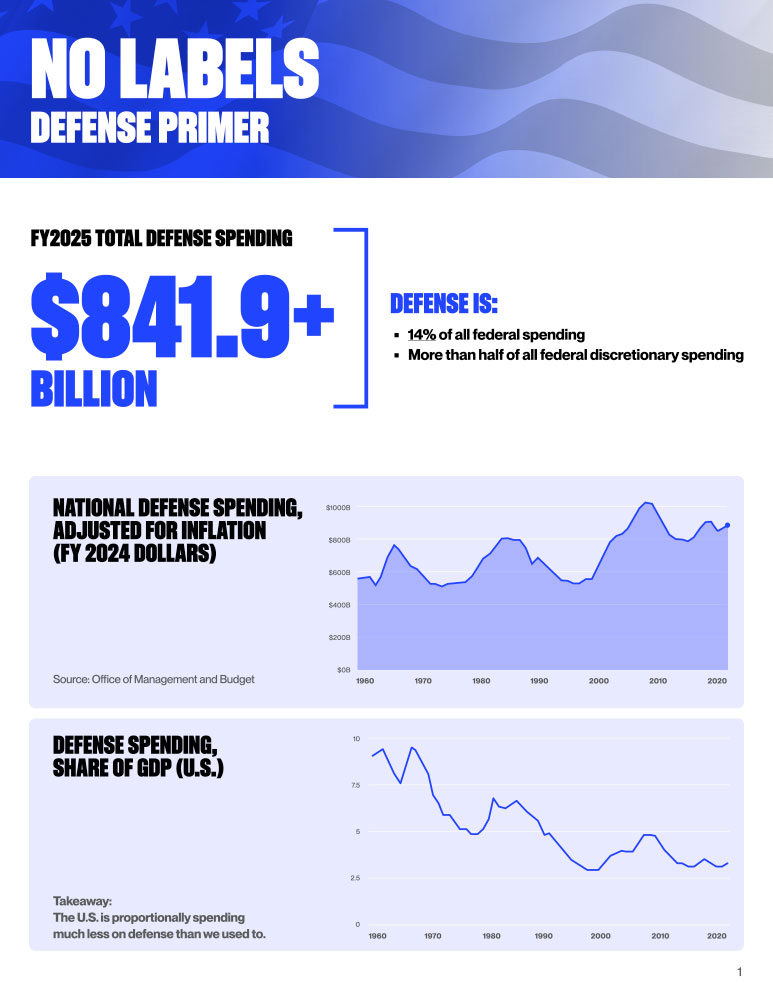
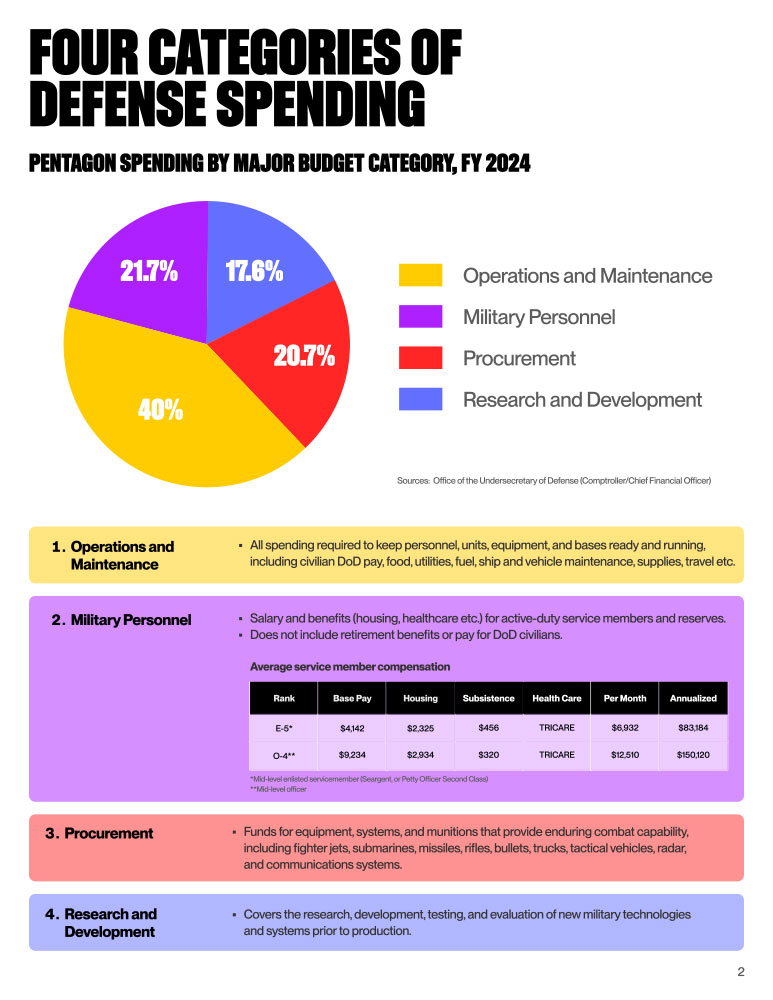
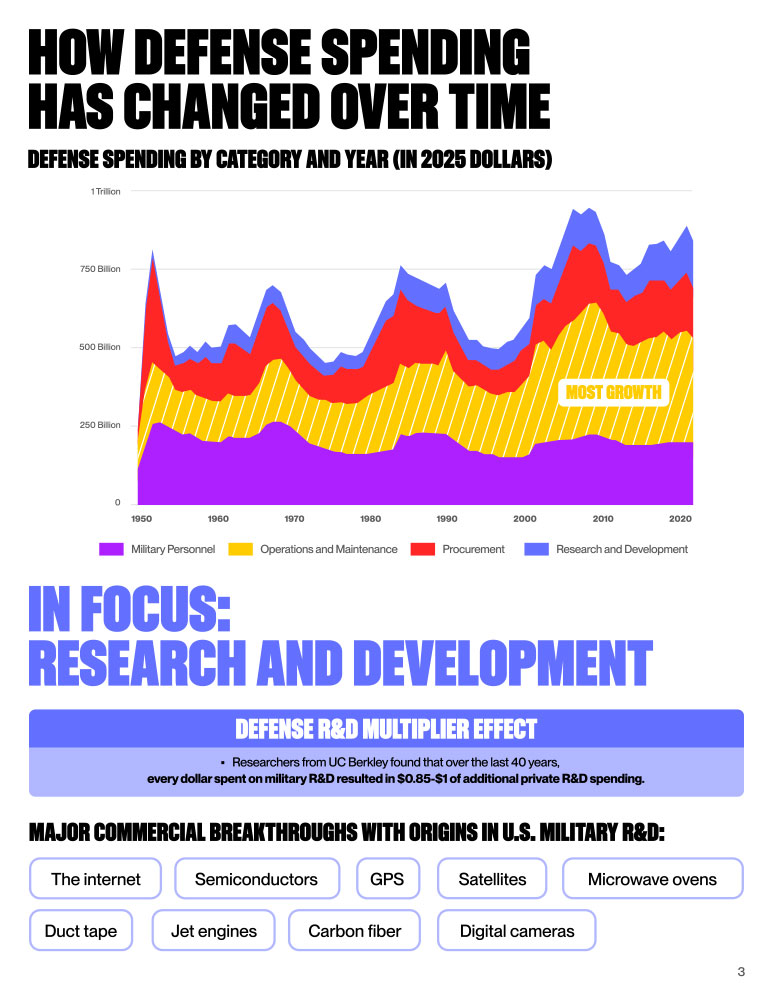
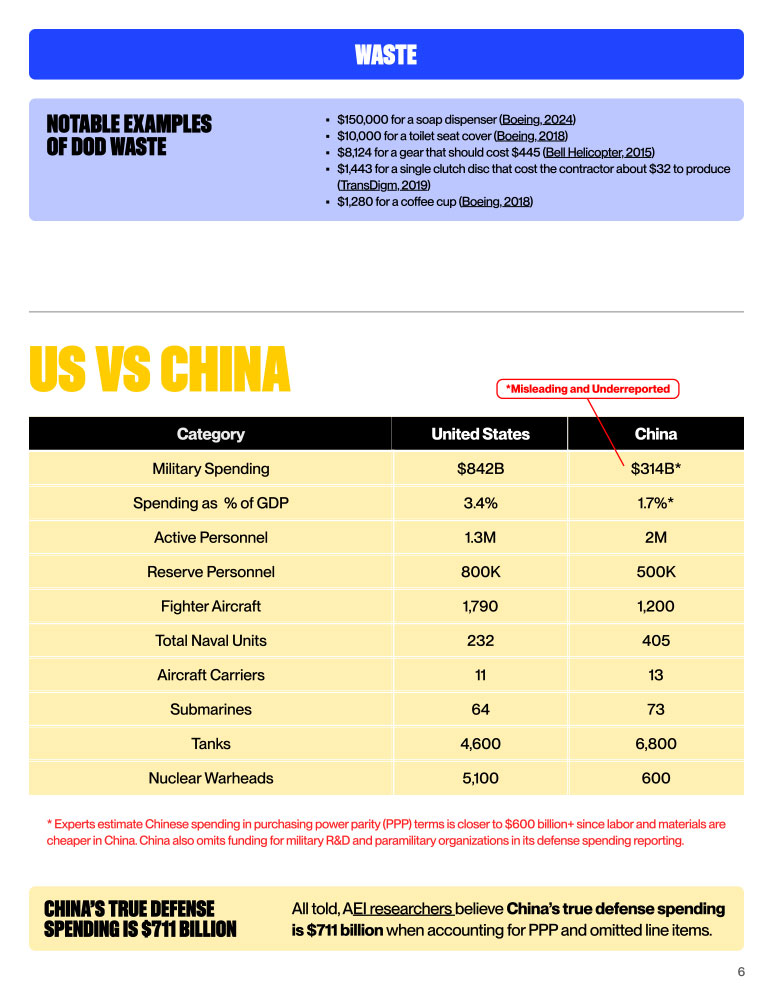
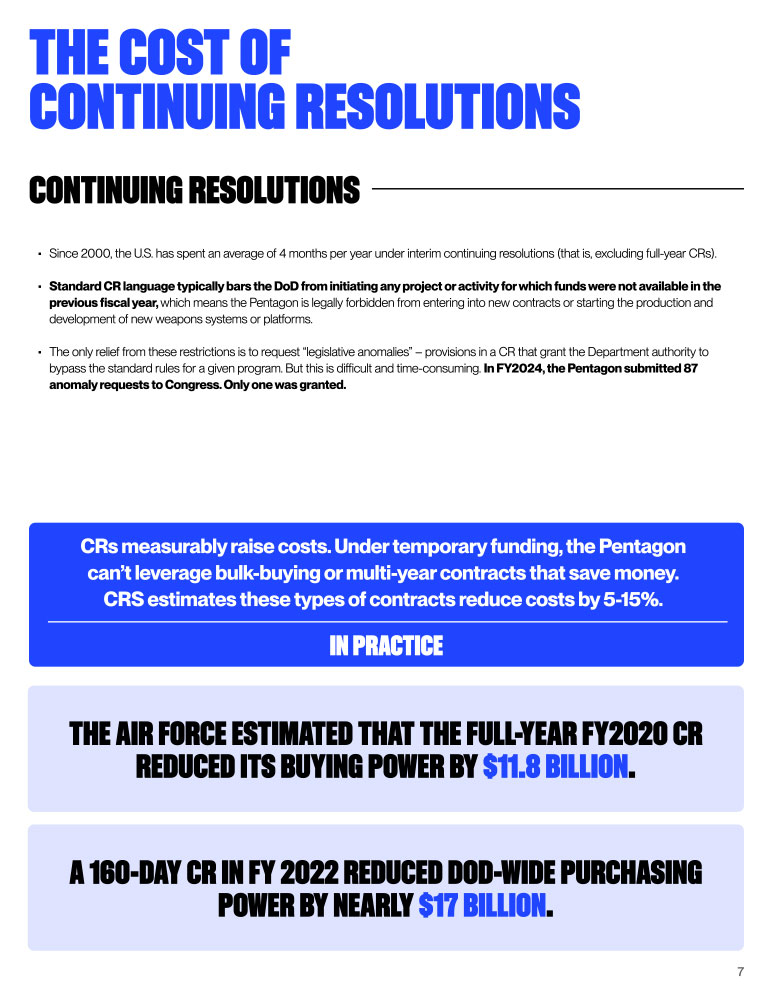
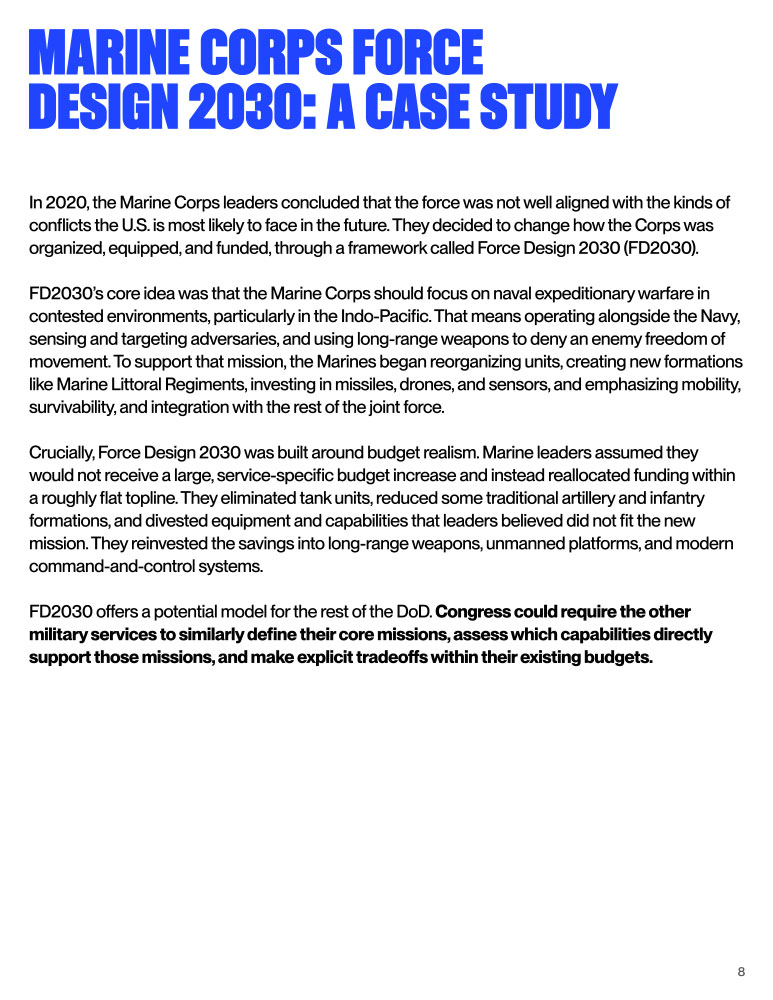
The U.S. spends $841.9 billion a year on defense – more than half of all federal discretionary spending. In raw dollars, it is near a historic high. But as a share of GDP, we are actually spending proportionally less than at almost any point since World War II, even as the threats we face have grown more complex.
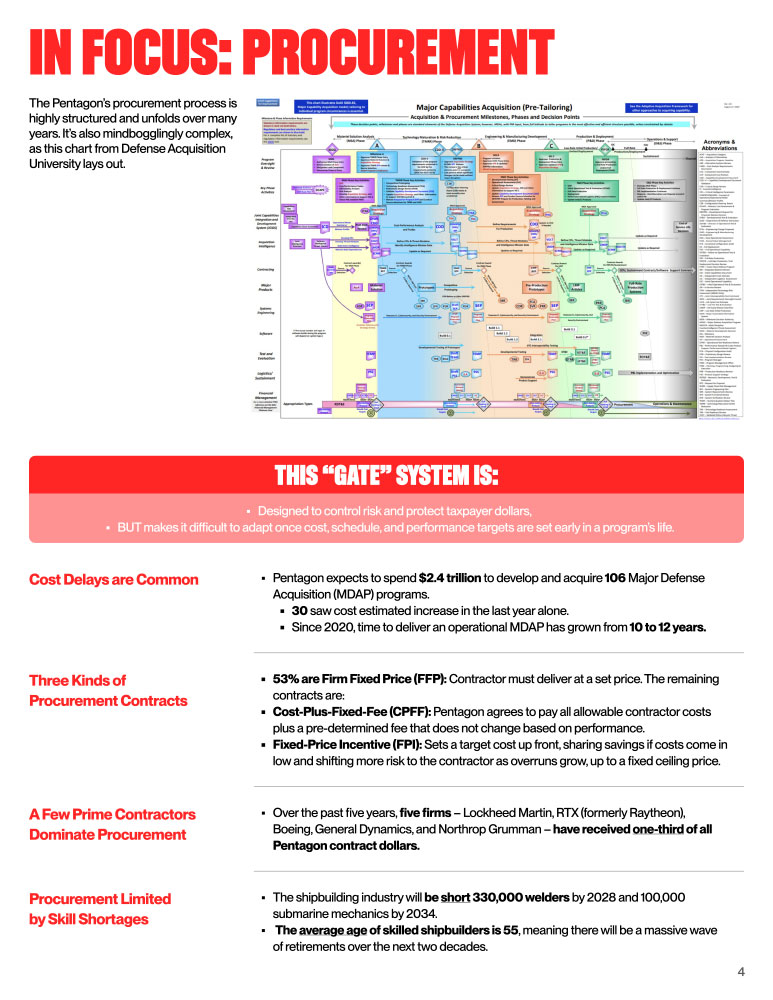
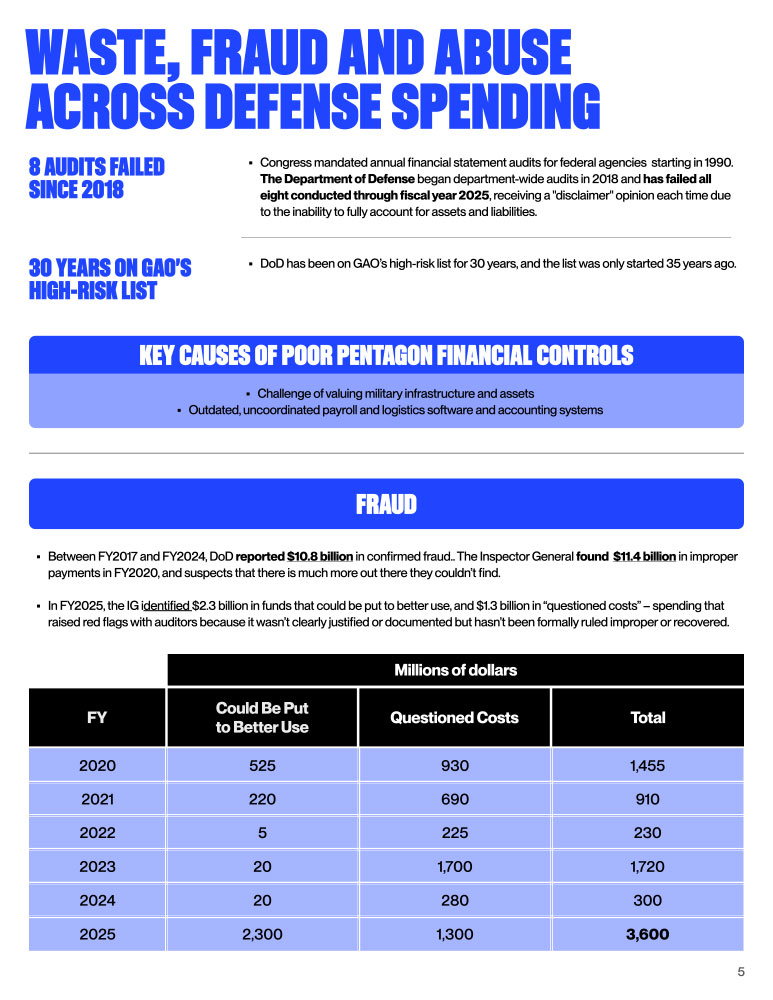
The harder question is whether we are spending it well. Major defense programs routinely run over cost and behind schedule – delivery times have grown from 10 to 12 years since 2020 alone. Five contractors receive one-third of all Pentagon contract dollars. The shipbuilding industry will be short 330,000 welders by 2028. The money is there. The results are uneven.

The Pentagon
Defense spending is more than half of everything Washington chooses to spend. Is taxpayer money being well used?
Date: Thursday, May 14
Time: 4:00 PM ET
The Money That Should Not Have Gone Out the Door
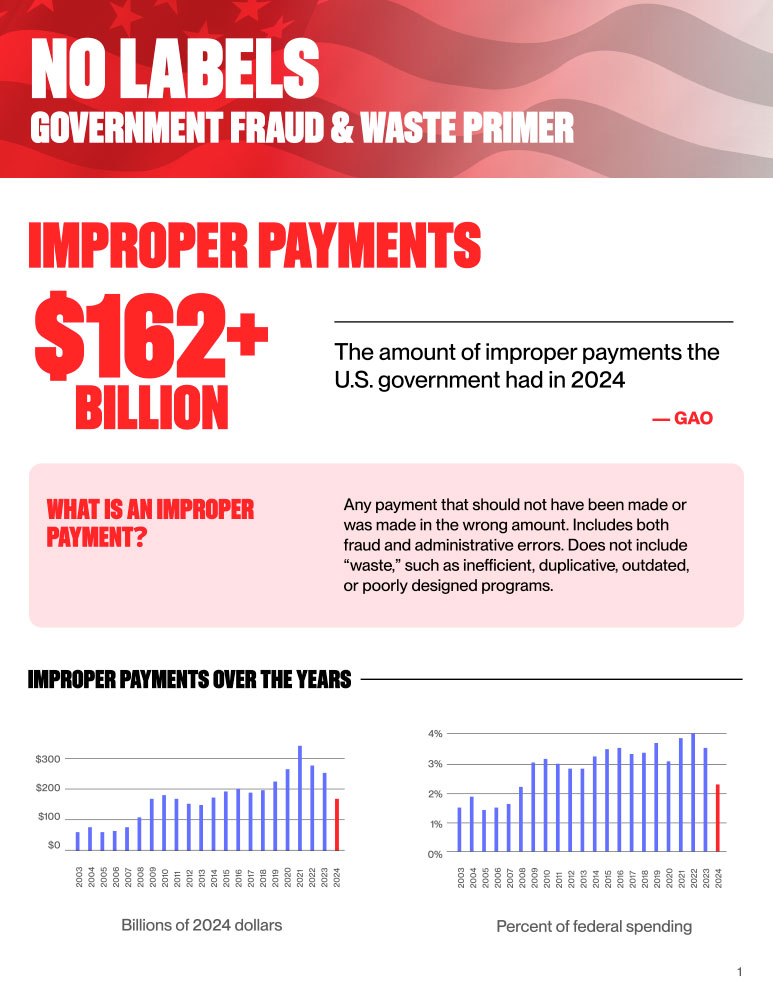
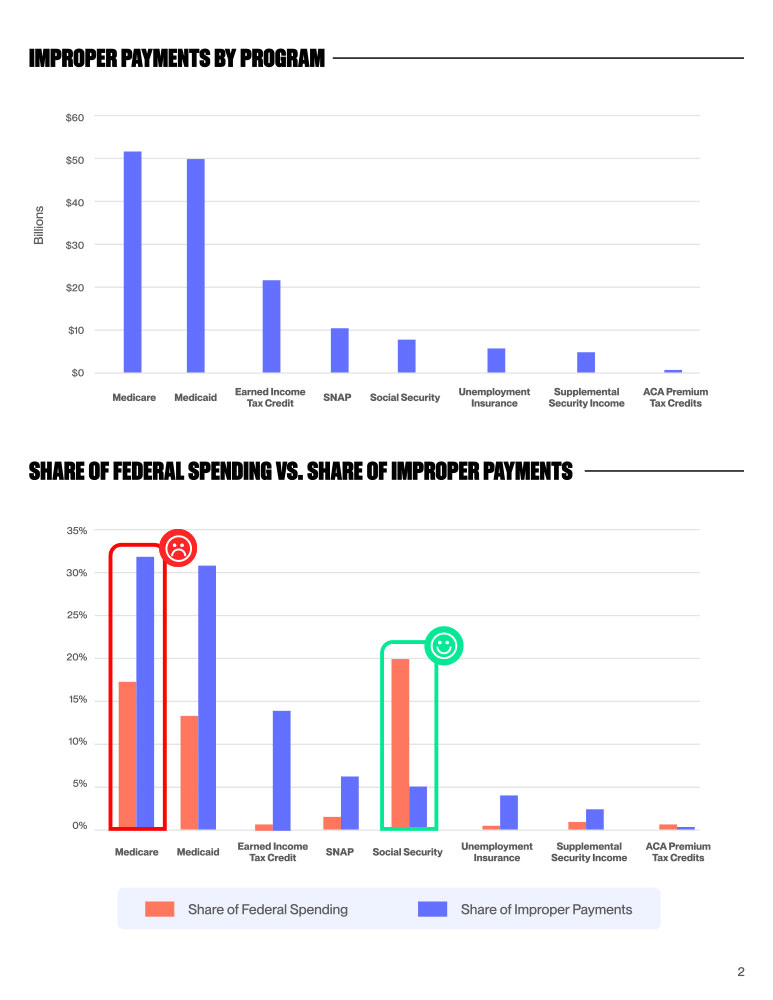
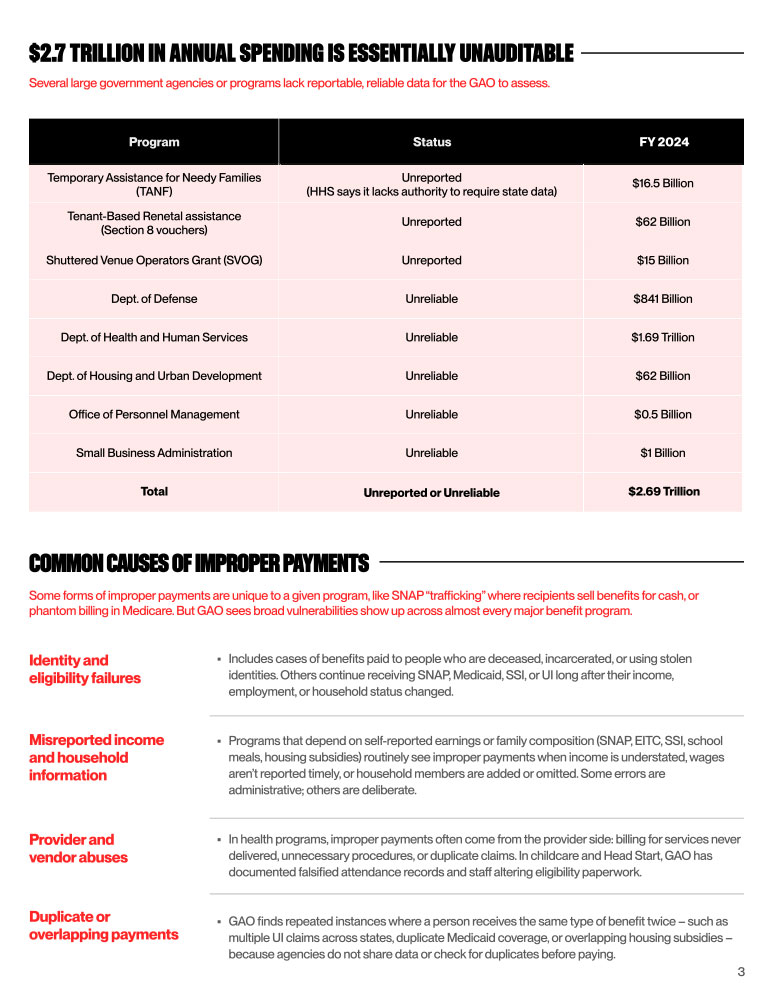
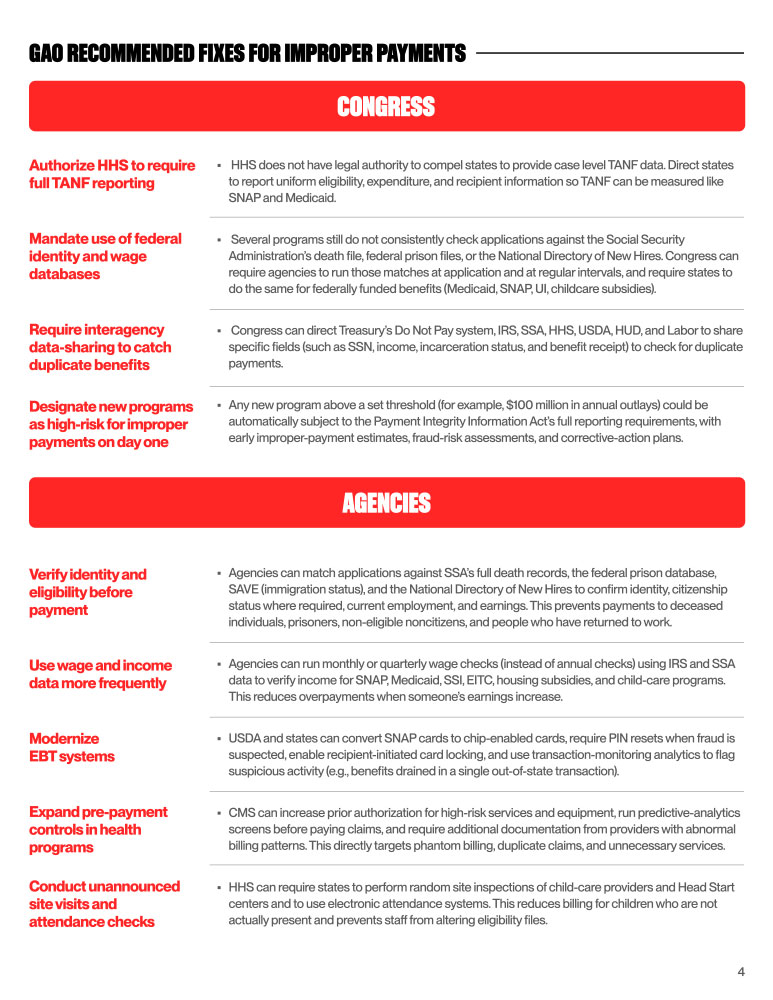
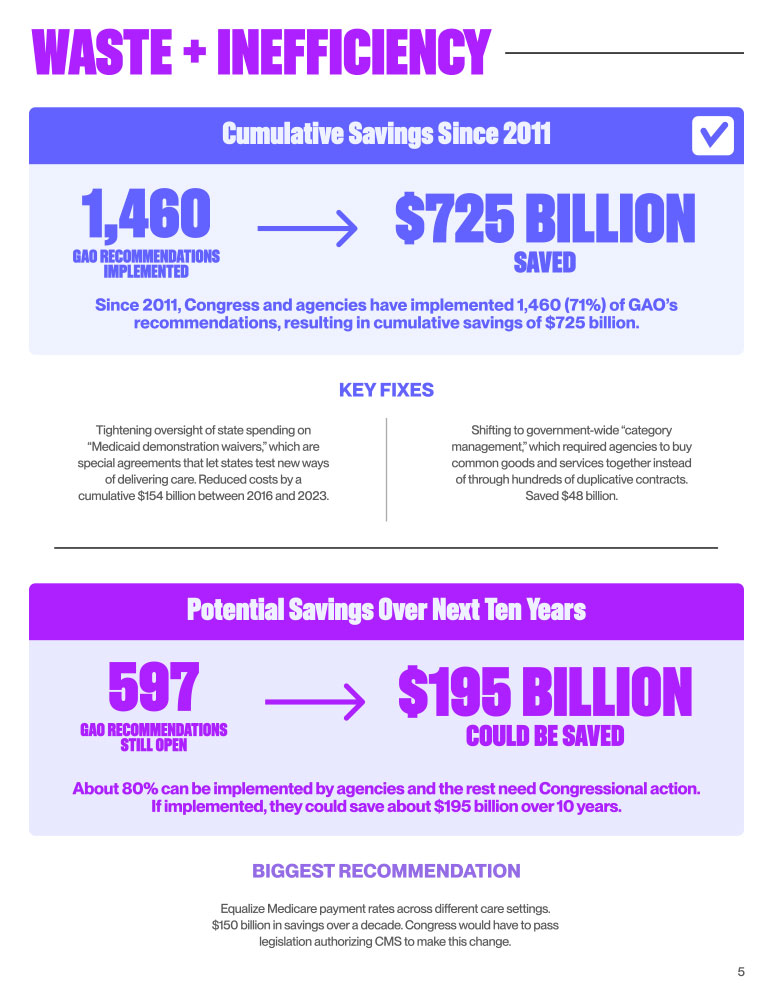
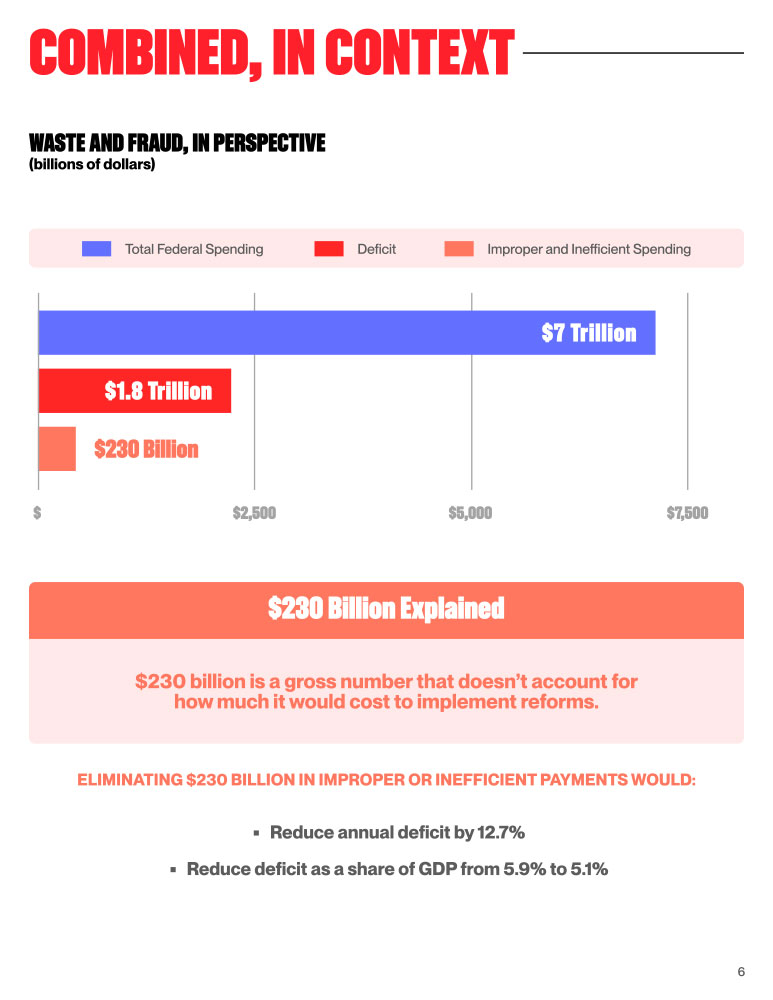
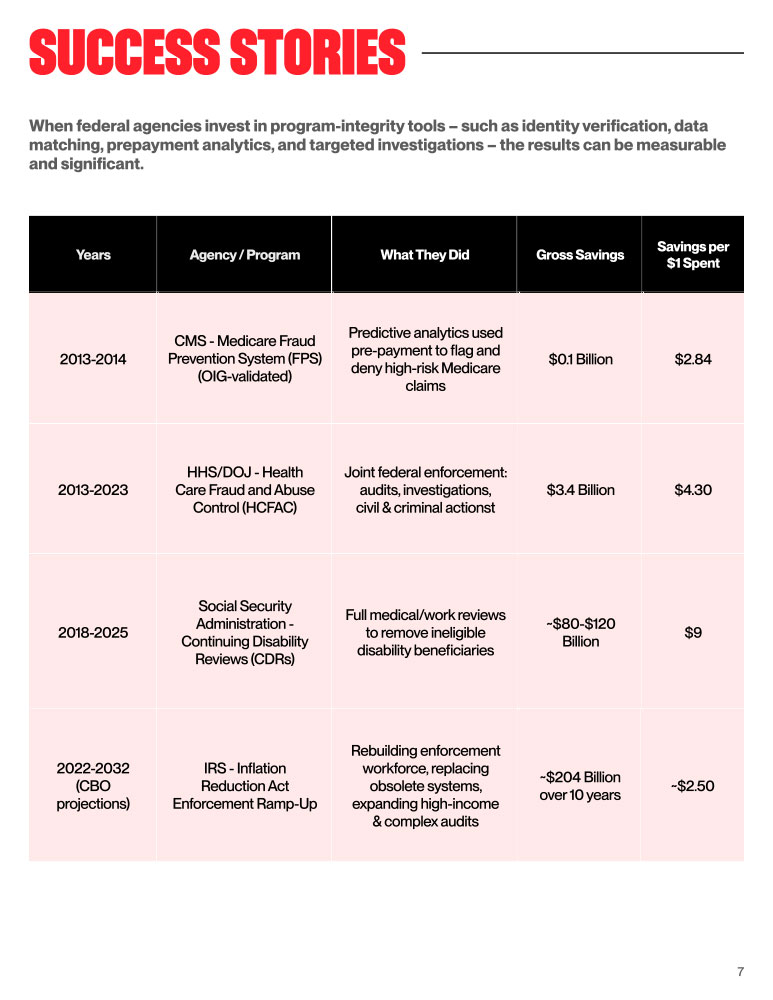
In 2024, the federal government made more than $162 billion in improper payments – money sent to the wrong people, in the wrong amounts, or that never should have gone out at all. That figure comes from the government's own watchdog, the Government Accountability Office (GAO). And it does not count waste from programs that are duplicative, outdated, or just poorly designed.
Government waste generates a lot of outrage and not much reform. This call is about moving past the heat and into the data – what the numbers actually show, where the problems are concentrated, and what a serious approach to fixing it looks like.
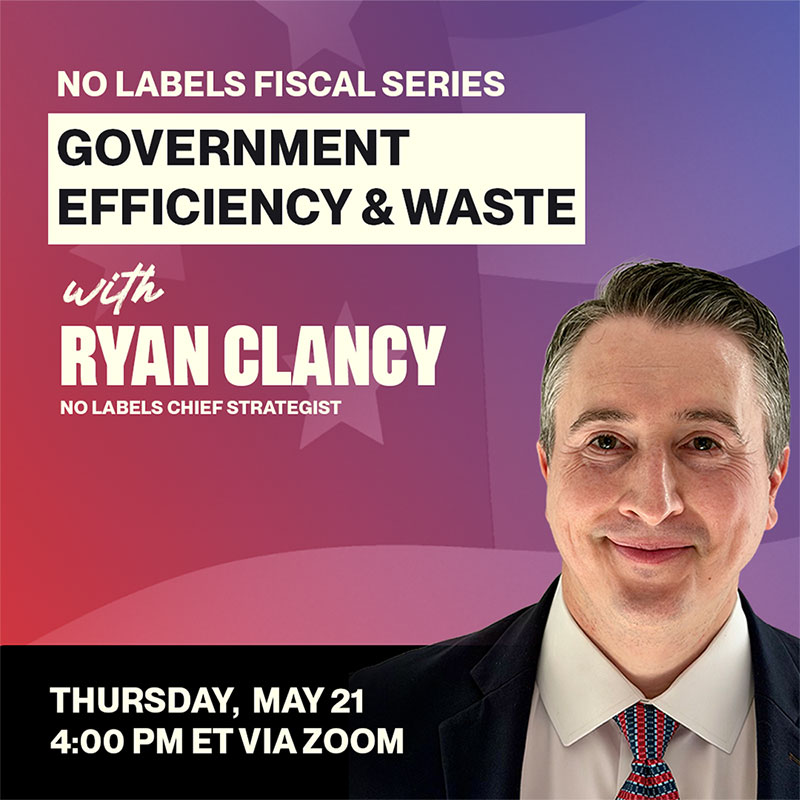
Government Efficiency & Waste
The government’s own watchdog says billions are being paid out improperly every year. What does the data actually show?
Date: Thursday, May 21
Time: 4:00 PM ET