


Two things happened today to remind us of the genius of America’s Founders, who gave us three equal branches of government.
This morning, the Supreme Court struck down most of President Trump’s sweeping tariffs in a 6-3 ruling, with the majority holding the president had overstepped his authority by imposing them unilaterally under emergency powers, without clear authorization from Congress. Whatever you think of President Trump’s tariffs as policy, the constitutional logic was straightforward: the power to tax is a power that belongs to Congress, and the president cannot claim it simply by declaring an emergency.
Justice Neil Gorsuch, a Trump appointee, made the point with unusual directness. “For those who think it important for the Nation to impose more tariffs, I understand that today’s decision will be disappointing. All I can offer them is that most major decisions affecting the rights and responsibilities of the American people are funneled through the legislative process for a reason.” He then went on to reinforce a point No Labels has always believed: “The deliberative nature of the legislative process was the whole point of its design. Through that process, the Nation can tap the combined wisdom of the people’s elected representatives, not just that of one faction or man.”
A Trump appointee, writing for a majority that included the three liberal justices, defending the role of Congress against executive overreach. That is the system working as designed.
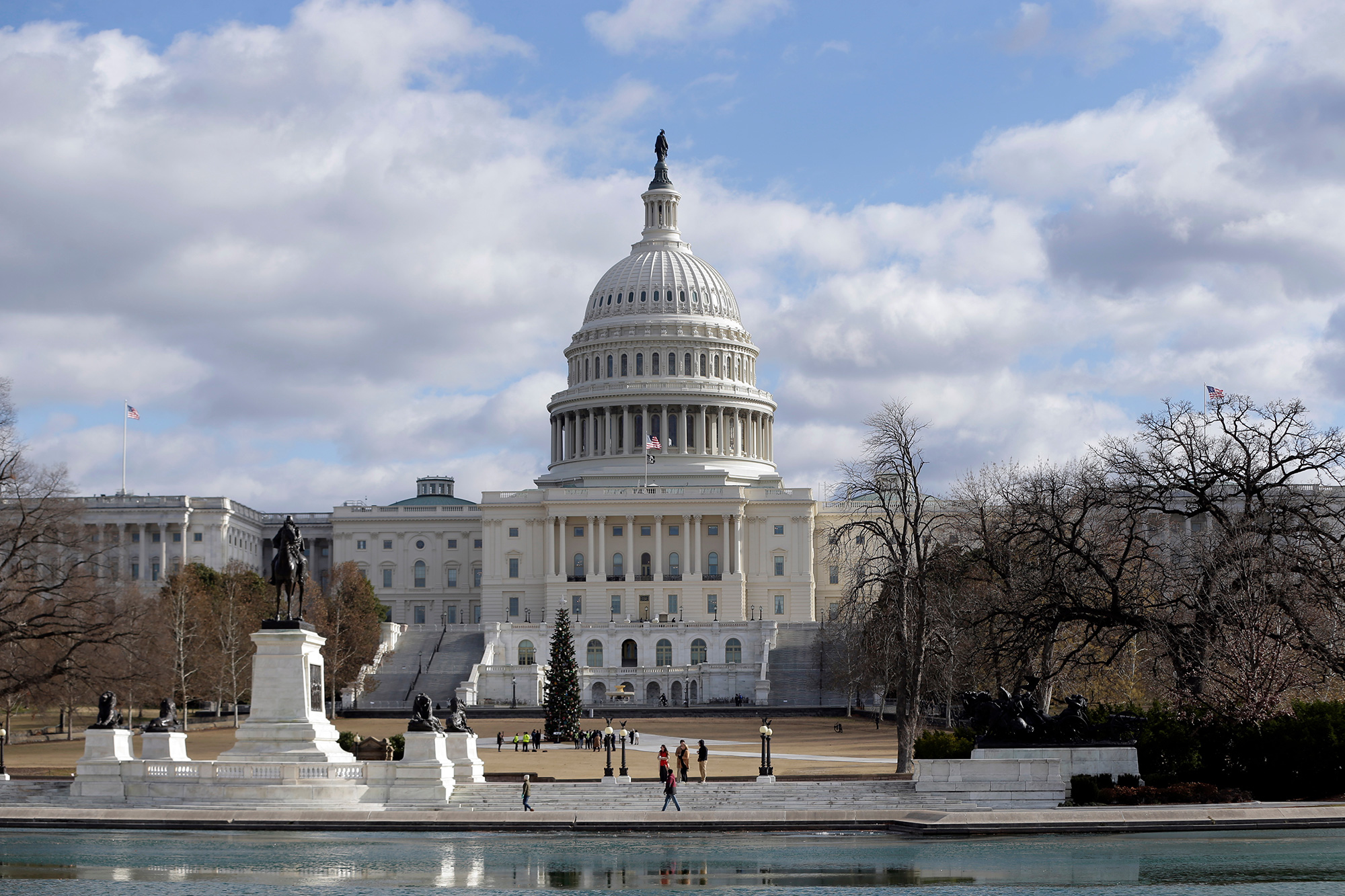
This afternoon, a second reminder arrived, this one from Capitol Hill.
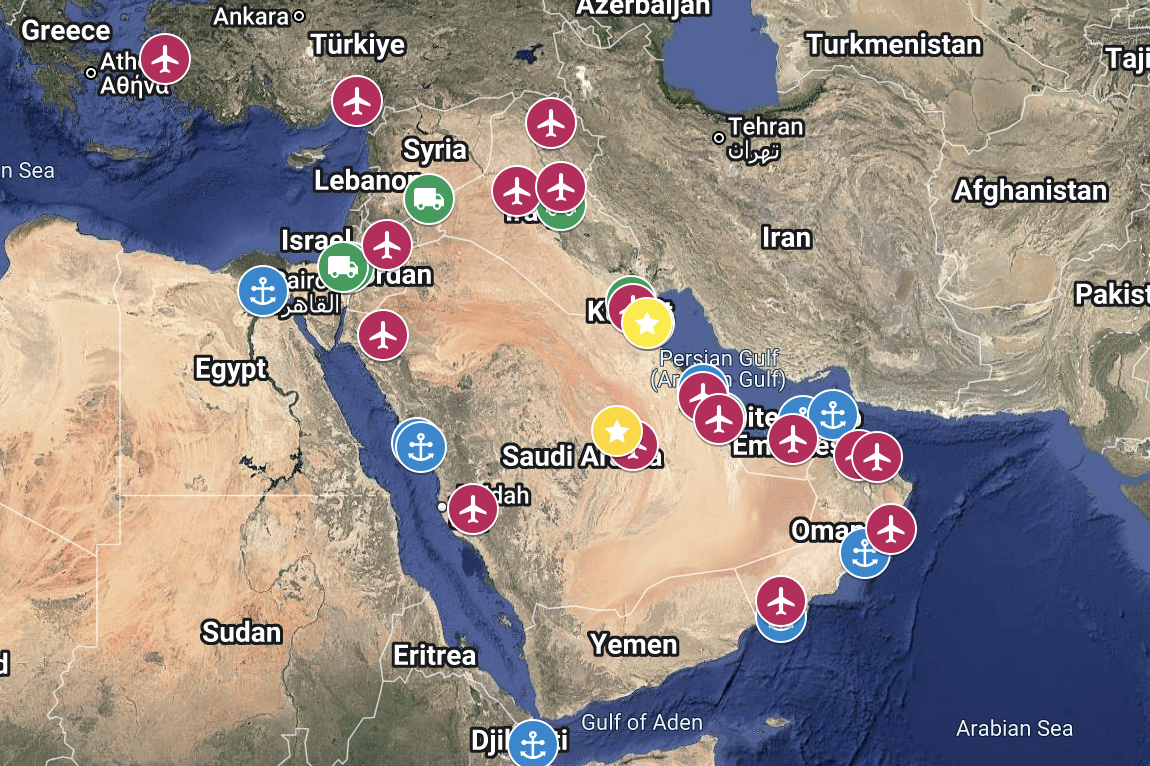
As the U.S. military masses two carrier strike groups in the Middle East and President Trump’s self-imposed 10-day Iran deadline ticks down, Reps. Ro Khanna (D-CA) and Thomas Massie (R-KY) announced plans to force a House floor vote on a War Powers Resolution that would block any military action against Iran without prior congressional authorization.
Into that moment stepped Reps. Josh Gottheimer (D-NJ) and Mike Lawler (R-NY), with a bipartisan statement that said what needs to be said: “We respect and defend Congress’s constitutional role in matters of war. Oversight and debate are absolutely vital.” And then they identified what serious oversight actually looks like — not a discharge motion and a politicized vote on a war powers resolution, but a demand that the administration brief the appropriate committees fully and promptly on any planned military action, in compliance with the law that already exists.
That distinction matters. The War Powers Resolution became law in 1973, passed over President Nixon’s veto, to reassert congressional authority over military commitments. In the more than 50 years since, it has never once halted a military operation.

Presidents from both parties have argued the law either does not apply or is unconstitutional. Congress has almost never forced the issue. In the 21st century, a War Powers resolution has passed at least one chamber five times. None became law. The Khanna-Massie motion would need 218 signatures to succeed — a very high bar in a chamber where many members have already signaled their opposition.
The Gottheimer-Lawler approach is the right one, for the same reason Gorsuch’s concurrence is the right one. The answer to executive overreach is not a political stunt that history tells you will fail. It is using the constitutional tools Congress already possesses — demanding briefings, insisting on transparency, and holding the administration to its existing reporting requirements. That is what the framers designed. That is what accountability looks like when it is serious rather than performative.
Today, two institutions reminded us of that.
Dan Webb
No Labels Board




You must be logged in to post a comment.