


What Happens to TSA, FEMA, and ICE, if DHS Funding Expires
Will Congress be able to avert yet another government shutdown?
Most of the government is funded for the rest of the year, but one major department was left out: the Department of Homeland Security (DHS).
DHS is only funded until Friday, February 13th. If lawmakers fail to reach a deal before then, DHS will technically shut down – although not all of its functions will. More on that in a bit.
Democrats are demanding reforms to Immigration and Customs Enforcement (ICE), which falls under DHS, before they vote for any funding bill. Republicans counter that Democrats are making unreasonable demands and putting Americans in danger by shutting down DHS.
As of now, there’s no sign of progress in the DHS funding negotiations. So what would a DHS shutdown actually mean?
What Is DHS – And Why Was It Created?
The Department of Homeland Security was created after the 9/11 attacks to unify America’s defenses under one cabinet-level agency.
Before DHS existed, responsibility for protecting the homeland was scattered across more than 100 federal agencies, with no single department in charge.
The Homeland Security Act of 2002 merged border protection, intelligence analysis, infrastructure security, disaster response, and other critical functions into one coordinated department.
The effort was bipartisan. No Labels Founding Chairman Sen. Joe Lieberman spearheaded the legislation, working alongside Republicans Fred Thompson and Susan Collins.
Today, DHS is a core part of the nation’s security and emergency infrastructure.
What Happens If DHS Shuts Down?
A DHS shutdown would not look like a full government closure. Many functions would continue – but with strain, delays, and disruption.

What Happens to TSA?
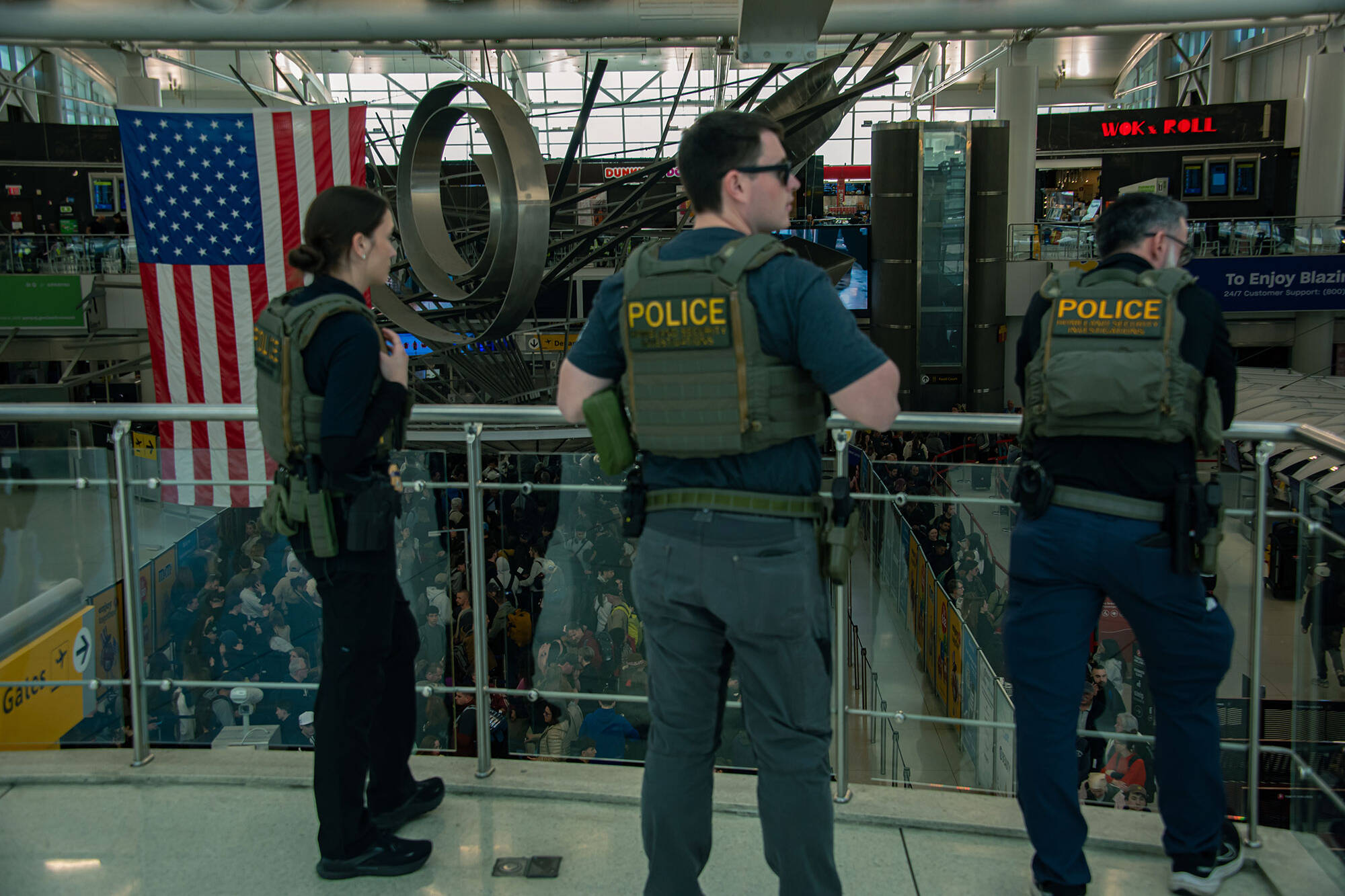
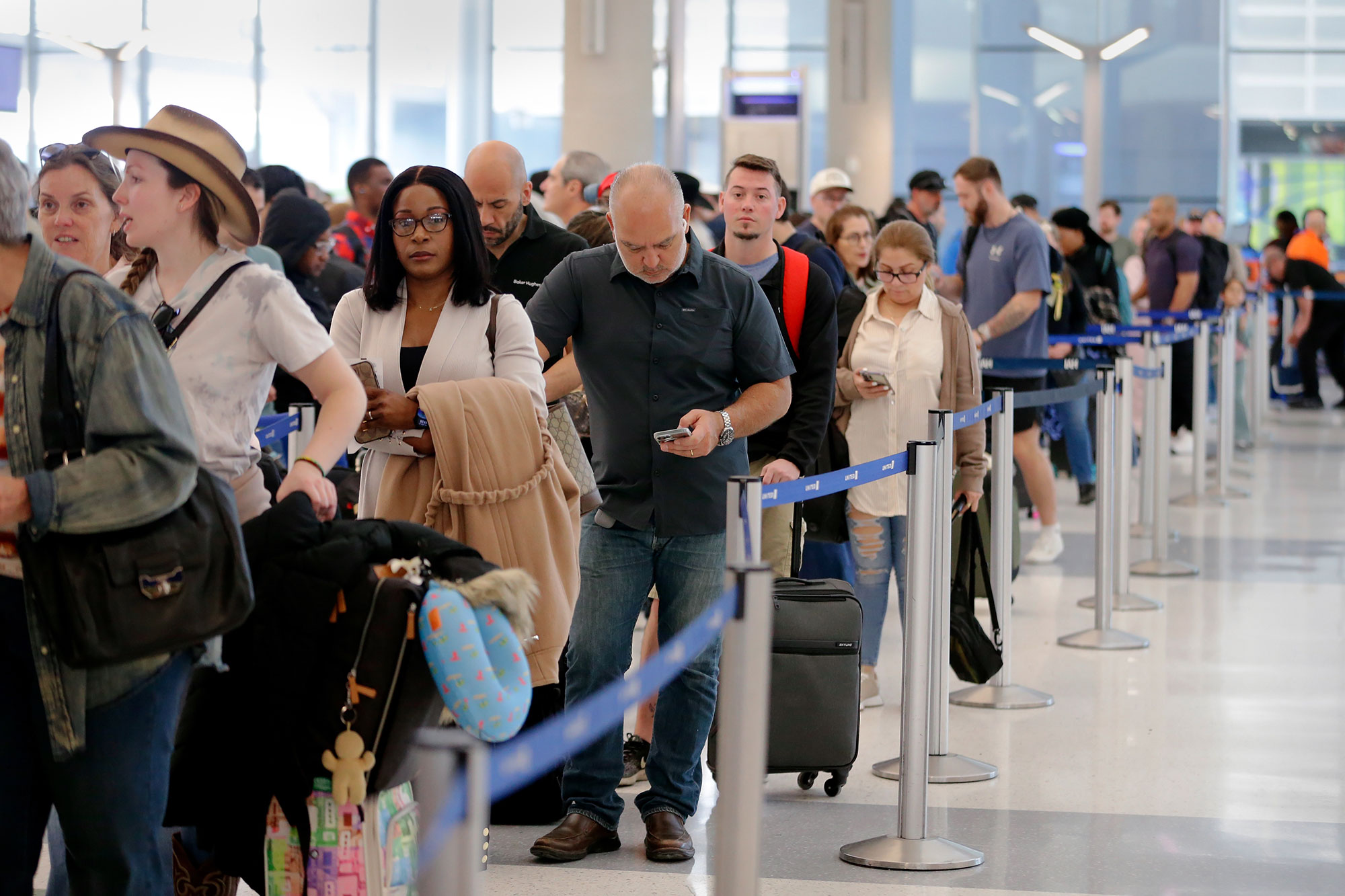
The Transportation Security Administration (TSA) would continue operating, but at a lower capacity.
TSA officers would work without pay until funding is restored. During past shutdowns, many TSA officers didn’t show up for work, leading to longer airport security lines. A DHS shutdown could mean travel disruptions, especially at major hubs.
What Happens to FEMA?
The Federal Emergency Management Agency (FEMA) would continue responding to disasters.
But funding delays can slow everything behind the scenes. Approvals for disaster relief can slow or stop, making victims wait longer for payments. Reimbursements to states and local governments for emergency response costs can also be delayed.
If a major winter storm hits while DHS is unfunded, disaster survivors – and the communities helping them recover – could face added uncertainty.
What Happens to CISA?
The Cybersecurity and Infrastructure Security Agency (CISA) would have to furlough employees if DHS shuts down. During the 2025 government shutdown, CISA furloughed over 1,600 employees – that’s two-thirds of its workforce.
That limits its ability to proactively defend networks and critical infrastructure, even if core monitoring systems remain online. The longer a shutdown drags on, the longer we’ll be exposed to cyber threats and hacks.
Does ICE Shut Down?
ICE and Customs and Border Protection (CBP) are part of DHS, but they would not be affected by a shutdown.
The One Big Beautiful Bill Republicans passed last summer contained $170 billion in funding for ICE and CBP, enough to fund operations for four years. So even if DHS shuts down, immigration enforcement will continue.
That’s the contradiction at the heart of this shutdown fight. Democrats want reforms to ICE, but shutting down DHS now will only affect agencies keeping Americans safe, like TSA, FEMA, and CISA.
Is DHS Shutting Down?
Tensions between Democrats and Republicans remain high. With the February 13th deadline approaching, the risk of a DHS shutdown is real.
But there are signs that at least some lawmakers are trying to prevent the worst-case scenario.
Rep. Andrew Garbarino, vice chair of the bipartisan Problem Solvers Caucus, recently led a Homeland Security Committee hearing that was civil and substantive. He warned that a DHS shutdown would harm national security and federal employees, and called for impartial investigations into recent ICE-related shootings, along with greater coordination between federal, state, and local officials.
That kind of bipartisan engagement does not guarantee a deal – but it suggests some members recognize what is at stake.
If Congress does not act before February 13th, the effects will be real. Federal employees will work without pay. Airport lines could grow longer. Disaster reimbursements may slow. Cybersecurity staffing will thin.
Whether lawmakers can resolve their differences in time remains unclear. What is clear is that funding lapses don’t stay contained to Capitol Hill – they ripple outward, affecting communities across the country.




You must be logged in to post a comment.