


As America approaches its 250th birthday, No Labels is launching a new weekly series drawn from our recent publication, Beyond Lincoln: 25 Unsung Heroes of American Unity. Each week, we will highlight one American whose example speaks not just to the past, but to the choices before us today.
This week, as the world watches the fragile state of the U.S.-Iran agreement, one name comes to mind: Senator Arthur Vandenberg of Michigan.
Before World War II, Vandenberg was one of the Senate’s leading Republican isolationists. He warned against foreign entanglements and opposed many of Franklin Roosevelt’s efforts to prepare America for the gathering storm abroad.
Then Pearl Harbor changed everything.
Vandenberg changed his mind and became an ardent supporter of the war effort. After the war, as chairman of the Senate Foreign Relations Committee, he became President Harry Truman’s most important Republican partner in building the postwar order. He helped secure bipartisan support for the United Nations, the Marshall Plan, and NATO.

Today, Vandenberg is best remembered for a line that has echoed through American foreign policy for nearly 80 years: “Politics stops at the water’s edge.”
But the line is often misunderstood.
He did not mean that the opposition party should simply salute whatever a president does overseas. Rather, he was arguing that America’s role in the world cannot be built on reflexive partisanship. It requires an opposition that asks hard questions without rooting for failure, and leaders on both sides who are willing to change their minds when the facts demand it.
That is a lesson worth remembering now.
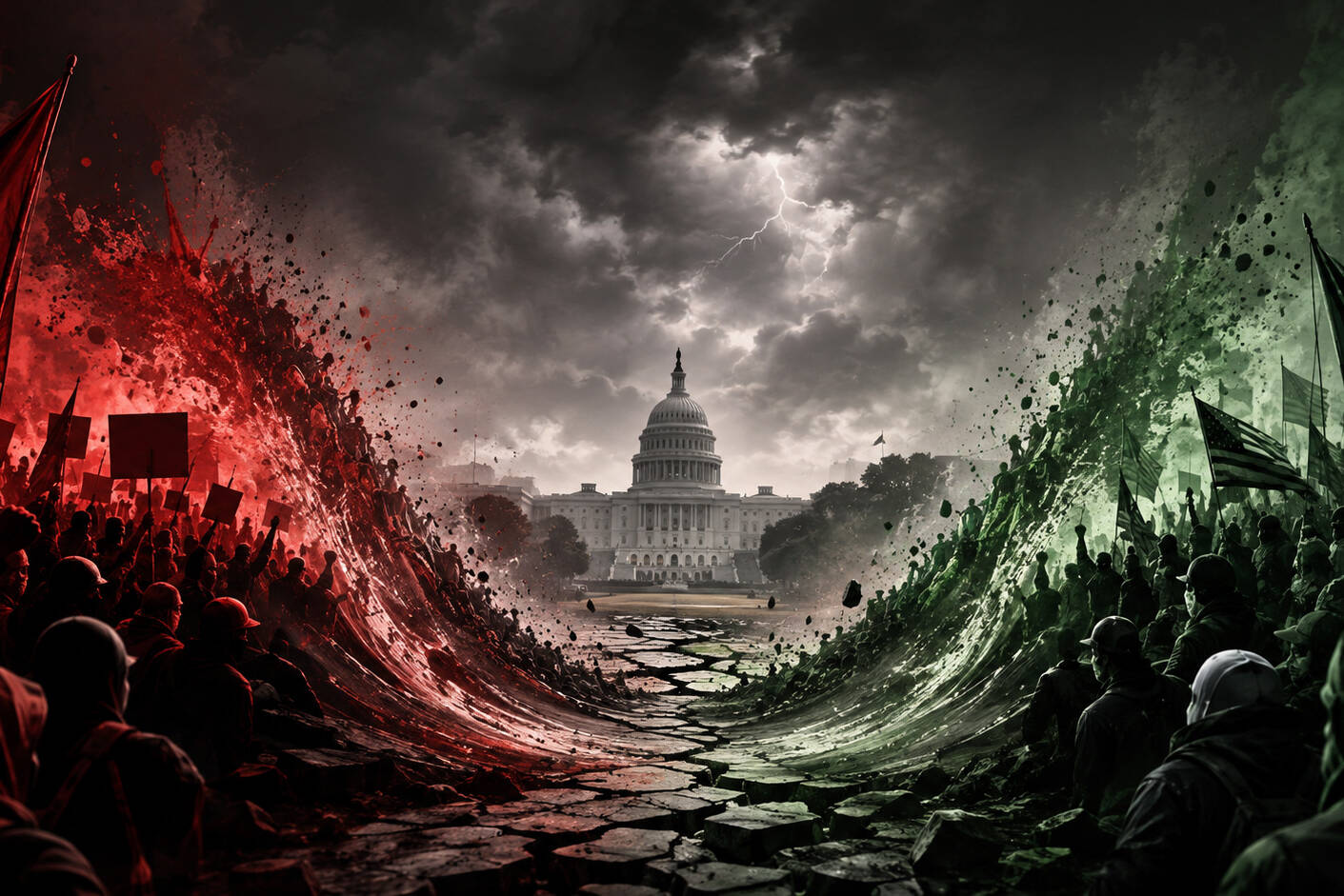
The deal with Iran may prove to be a lasting resolution to the conflict. But even once the dust has settled, it will be difficult for Americans to know what to believe. It is hard to trust automatic critics like many Democrats today, and it is hard to trust automatic sycophants like many Republicans. We need more leaders who are neither.
We need leaders like Arthur Vandenberg, willing to change their minds and call it like they see it. And we need leaders who want diplomacy to succeed, even if it means the other party benefits.
“Politics stops at the water’s edge” was not a call for critics to stay silent. It was a call for seriousness.
And in this moment, America could use a lot more of it.



You must be logged in to post a comment.