


The Department of Homeland Security (DHS) is set to shut down at midnight tonight for the second time in two weeks.
At issue is immigration enforcement: Many Democrats want to withhold funding for DHS to force reforms at ICE, an agency within DHS.
But shutting down DHS will do nothing to ICE, because it, as well as Customs and Border Protection (CBP), already received more than $75 billion in last year’s One Big Beautiful Bill. The DHS agencies that will be impacted are those that keep airports running, patrol coastlines, detect cyberattacks, and maintain disaster response plans.

You may know from previous shutdowns that “essential” workers at certain government agencies are still supposed to come to work, without pay. Since many employees within DHS are classified as “essential,” some may think withholding funding from DHS is a cost-free exercise.
Anyone who thinks that should think again.
During last fall’s 43-day shutdown, unscheduled absences from workers at the TSA nearly doubled, and the agency experienced a 25% increase in the rate of workforce attrition in the months that followed. Meanwhile, Coast Guard members, who unlike other service branches have no statutory guarantee of back pay, faced the same financial strain. CISA, the agency responsible for defending federal infrastructure from cyberattacks, would furlough two-thirds of its workforce. As acting CISA Director Madhu Gottumukkala put it at a congressional hearing this week: “When the government shuts down, cyber threats do not.”
As a condition of funding DHS, many Democrats demand several ICE reforms, including judicial warrant requirements, mandatory body cameras, and a ban on officers wearing masks during operations. To be clear: Many of these are commonsense policy demands with bipartisan support. Polling from the last few weeks reveals Americans across the political spectrum want a change in ICE’s tactics.
The problem – as is always the case when members of Congress threaten a shutdown to get policies they want – is the collateral damage of this demand.
Holding the American public hostage with a shutdown that could make us more vulnerable to cyber attacks or cause terrible traffic delays is no way to run a government.
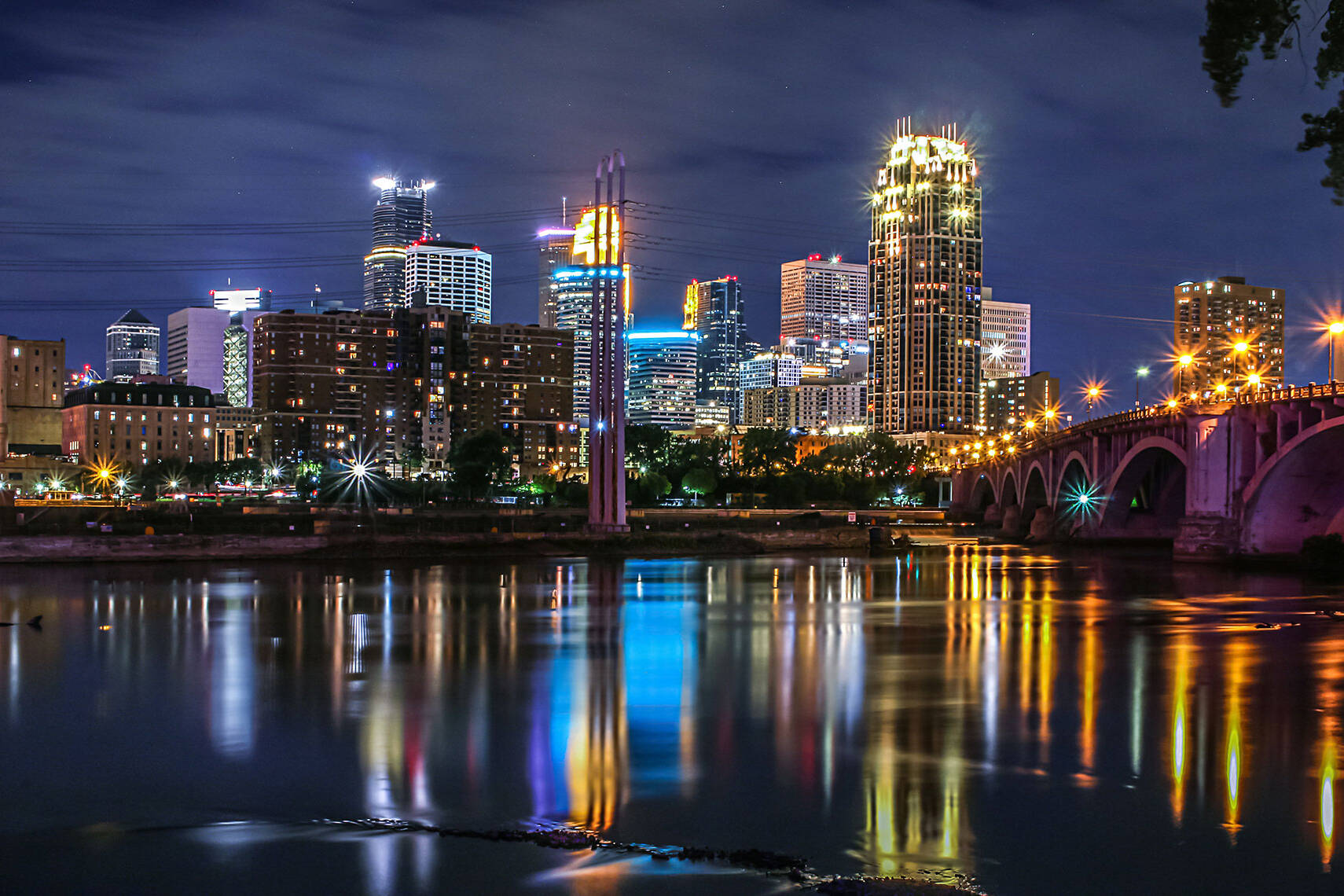
For an example of how our leaders should run a government, we point you to the House Homeland Security Chairman Rep. Andrew Garbarino. This week, he convened the heads of ICE, CBP, and U.S. Citizenship and Immigration Services for a public oversight hearing, the first since the Minneapolis killings. He secured commitments from both the acting ICE Director and the CBP Commissioner to provide Congress with the full results of the investigations into both deaths. When members on both sides of the aisle tried to turn the hearing into a partisan spectacle, including one member who asked the ICE director whether he thought he was going to hell, Garbarino shut it down and kept the focus on facts, accountability, and the path forward. That is what productive oversight looks like. This is how our government can actually work toward practical and principled reforms to ICE.
And then there are the 21 Democrats who voted on February 3 to reopen the government and fund DHS for two more weeks of negotiations. They understood something important: you can fight for meaningful reform without making Americans pay the price of a shutdown. As our ally Rep. Josh Gottheimer put it, the vote was about keeping the government open for seniors, veterans, and families while starting the clock on real negotiations over ICE reform.
Every time there is a government shutdown – or the threat of one – you will hear supporters of it saying that essential government funding bills offer “leverage” to get action on their policy demands. And No Labels certainly understands – and supports – members of Congress effectively using leverage.
In 2018, Rep. Gottheimer and members of the Problem Solvers Caucus leveraged their votes for Speaker to extract the first bipartisan House rules reforms in nearly two decades – reforms championed by No Labels in our Speaker Project.
And in 2021, a group Democrats allied with No Labels forced the separation of the bipartisan infrastructure bill from the larger Build Back Better package, ensuring that a trillion-dollar investment in roads, bridges, and broadband would not be held hostage to a partisan spending fight. In both cases, members identified the leverage available to them and used it to force real results, without making the American public pay the price.
But shutting down DHS is not an effective use of leverage. It is an example of hostage taking, with the American public being used as bargaining chips. The members of Congress who understand that, on both sides, are the ones doing the actual work of governing. They are the ones who deserve our attention and our support.
Andy Bursky
No Labels Board


You must be logged in to post a comment.