


Congress passed a bipartisan law to force TikTok to divest or leave the U.S., but four presidential extensions have left the ban in limbo.
President Trump quietly extended TikTok’s divest-or-ban deadline again this week, pushing the date out to December. It’s the fourth delay since he took office – and the latest twist in a saga that started with bipartisan legislation passed nearly a year and a half ago.
A lot has happened since Congress passed the TikTok ban in April 2024. The law was meant to settle a long-running debate over whether an app owned by a Chinese company should collect data on 170 million Americans. Instead, it’s become a sign of Congress’s reluctance or inability to enforce the law it wrote.

What the TikTok Ban Actually Does
The bipartisan Protecting Americans from Foreign Adversary Controlled Applications Act gives TikTok and other platforms owned by foreign adversaries a simple choice: sell to an American or allied company, or get banned in the U.S.
Specifically, the law targets app stores like Apple and Google, threatening fines if they keep hosting TikTok for U.S. users. The law gave TikTok until January 19, 2025, to make their decision.
Courts Upheld the TikTok Ban
ByteDance, the Chinese company that owns TikTok, sued, arguing the ban violated the First Amendment. Both the D.C. Circuit and the U.S. Supreme Court rejected that claim, upholding the statute as a legitimate national-security measure. Both courts also upheld the January 19, 2025 deadline as valid and legally binding.
ByteDance complied with the ruling. When the cutoff day came, TikTok shut down in the U.S. for 48 hours.
Trump’s Extensions and Negotiations over TikTok
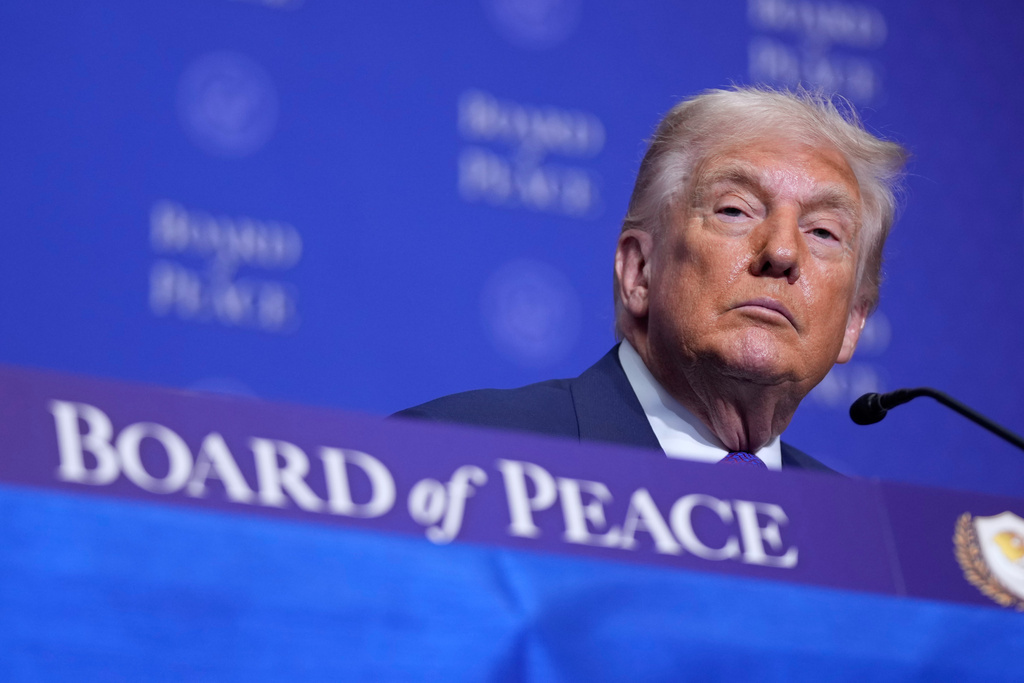
Hours after taking office on January 20, President Trump signed an executive order putting the TikTok ban on hold for 75 days. Since then, he’s issued three more extensions. As of now, the deadline for TikTok to sell or shut down is December 16, 2025.
According to the White House, the delays are to give negotiators more time to broker a deal.
“President Trump does not want TikTok to go dark,” Press Secretary Karoline Leavitt said after the June extension. Indeed, President Trump himself said he has “a warm spot in my heart for TikTok” after his campaign videos found success on the app, potentially helping him win over young voters in the 2024 election.
In announcing the most recent extension this week, Treasury Secretary Scott Bessent said the U.S. and China had agreed to a “framework” for a TikTok deal. Unnamed sources are saying American firms including Oracle, Silver Lake, and Andreessen Horowitz will own 80% of TikTok while Chinese shareholders would own the rest. User data would be stored in the U.S.
Congress Won’t Defend the TikTok Ban
Making this deal might be in the best interest for American consumers, but there’s one glaring problem: nothing in the law authorizes President Trump’s repeated delays.
The law says “the President may grant a 1-time extension of not more than 90 days” if a deal is imminent. But so far, President Trump has granted four extensions for a grand total of 330 days – a clear violation of the law.
What might be even worse is the fact that almost no one seems to care. Congress passed the TikTok ban with near-unanimous support but has done nothing to make sure it’s carried out. There have been no lawsuits challenging the delays, and no legislation compelling the President to enforce the law.
Some Senators are calling for the administration to work with Congress to pass legislation authorizing the delays, but the White House is continuing to go it alone through executive action.
At this point, there’s nothing stopping President Trump from extending the deadline indefinitely and single-handedly undoing a law passed by Congress. If Congress won’t stand up for itself now, with national security on the line, when will it?




You must be logged in to post a comment.