Inside Iran’s protests: economic collapse, state repression, and rising instability
It’s not just Venezuela; thousands of miles away, on the other side of the globe, another authoritarian regime is teetering.
What began as regional demonstrations over food prices in Iran in late December have now turned into nationwide protests against life under the regime, drawing a harsh response from the state. On January 8th, the Iranian regime cut off internet access for the entire country.
As tensions with Israel and the West continue to rise, the unrest highlights a core reality: Iran’s greatest vulnerability is not external pressure, but internal collapse.
Why are Iranians protesting?
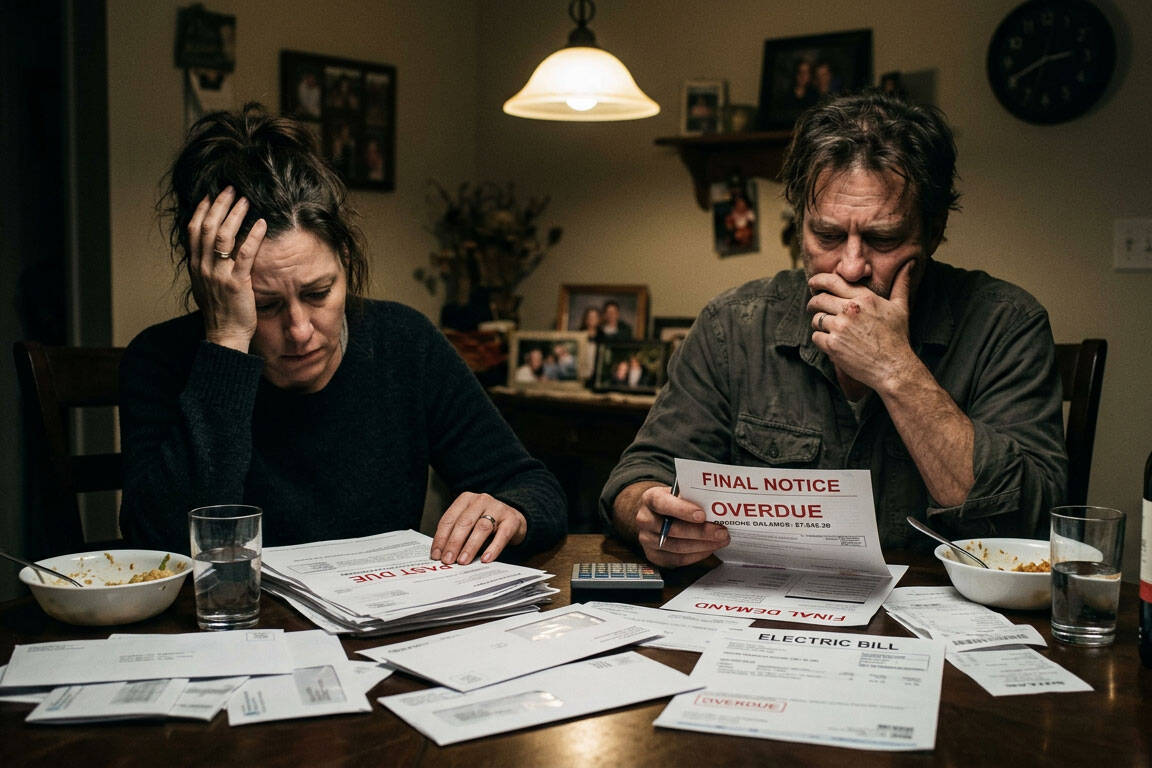
The immediate trigger is economic. In late December, prices for basic goods – including bread, rice, eggs, and cooking oil – rose sharply after the government cut subsidies for importers. For many Iranian families already living on the edge, this pushed daily life from difficult to untenable.
Inflation in Iran has remained over 30% for more than five years, and it’s now nearing 50%. The national currency continues to lose value, and wages have failed to keep up. Subsidies have long masked the depth of Iran’s economic problems. When those supports are reduced, even modest price increases can spark unrest, especially outside major cities where incomes are lower and safety nets thinner.
Iran is also facing a severe water crisis, with decades of poor management by the government leading to rationing and rolling cutoffs. Iran’s president even warned that parts of Tehran would need to be evacuated if the crisis continued, but a rainy December temporarily eased the threat. The episode underscored a broader reality for many Iranians – that even basic necessities like water are increasingly insecure under a system marked by mismanagement, corruption, and delayed reform.
This pattern is familiar. Iran’s 2019 protests were triggered by fuel price hikes. Earlier unrest followed food shortages and utility costs. The difference now is that economic anger is landing in a society that no longer believes relief is coming.
Why do economic protests in Iran turn into anti-government demonstrations?
Iran’s economy is not simply mismanaged – it is dominated by the state and its security apparatus, especially the Islamic Revolutionary Guard Corps. The IRGC controls vast portions of construction, energy, shipping, and banking, crowding out private enterprise and insulating elites from the hardship facing ordinary citizens.
Western sanctions play a role, but so does corruption, patronage, and repression. Many Iranians see their sacrifices funding foreign proxy wars, missile programs, and nuclear escalation while living standards at home continue to fall. That perception turns protests over prices into protests over priorities – and ultimately over legitimacy.
How is the Iranian government responding to the protests?
The Iranian regime’s response has, like usual, been a mix of forceful suppression and censorship, reflecting both its determination to control dissent and the limits of its authority.
Security forces have moved quickly to disperse demonstrators, make mass arrests, and intimidate participants. At least 45 protesters – including multiple minors – have been killed by the regime since the unrest began in late December, and hundreds more have been wounded by pellet rounds, live fire, and crowd-control weapons. Over 2,000 arrests have been documented across Iran’s provinces.
Authorities have also blocked internet and phone services, with near-total digital blackouts in major cities and regions. These communications cuts aim to slow protest coordination and limit independent reporting, making real-time verification of events difficult.
This pattern is familiar from past unrest, but the scale and intensity of the crackdown vary. The 2022–2023 “Woman, Life, Freedom” demonstrations saw even heavier repression, with hundreds killed and tens of thousands detained. In the current protests, while the regime is still willing to use lethal force, it also appears cautious of provoking the same scale of backlash, especially amid international attention.
Are the Iran protests about Israel and the nuclear issue?
The protests are not primarily about Israel or the nuclear program. But they are unfolding against a backdrop of growing international isolation, military pressure, and economic strain driven by Tehran’s choices.
Iran’s leadership has prioritized nuclear expansion and regional confrontation even as living standards decline. Recent findings by the International Atomic Energy Agency that Iran violated its nonproliferation obligations, followed by Israeli strikes on Iranian targets, reinforce a sense among Iranians that the country is being steered toward permanent crisis.
External pressure magnifies internal stress – but it did not create it. The roots of unrest are domestic and long-standing.
Iran’s unrest is also part of a broader global trend. Across the world, several regimes that define themselves by opposition to the U.S. and the West are weakening at the same time. Syria’s longtime ruling order collapsed just over a year ago. Hamas suffered devastating losses in its war with Israel. Nicolas Maduro’s government in Venezuela has been thrown into chaos following his capture. Russia has been drained by a grinding, unsuccessful war in Ukraine. And Cuba is teetering on the edge of economic collapse. Iran may now be joining a growing list of authoritarian systems discovering that repression, corruption, and permanent confrontation abroad cannot indefinitely compensate for failure at home.
Will Iran’s protests topple the regime?
While many Americans hope so, history suggests caution.
Iran has seen multiple nationwide uprisings over the past 15 years. Each time, the regime has survived by combining repression, fragmentation of protest movements, and control of key institutions. The IRGC remain loyal, well-funded, and deeply embedded in the state.
At the same time, public support for the Islamic Republic appears historically low. The regime may be stable in the short term but brittle in the long term – capable of cracking down, yet increasingly disconnected from the population it governs.
Why this moment still matters
Even if these protests fade, they add to a cumulative pressure building inside Iran. Economic exhaustion, demographic change, women’s resistance, and elite corruption are converging. Each new crisis leaves the regime with fewer tools other than violence.
Iran’s leaders may be able to suppress dissent for now. What they cannot suppress indefinitely is the reality that their greatest threat is not foreign attack – it is a population that no longer sees a future under the system as it exists.
Related

Peyton Lofton
Peyton Lofton is Senior Policy Analyst at No Labels and has spent his career writing for the common sense majority. His work has appeared in the Washington Examiner, RealClearPolicy, and the South Florida Sun Sentinel. Peyton holds a degree in political science from Tulane University.