


Despite the bluster and the headlines, NATO’s core commitment remains unchanged in a dangerous world.
This week, the world watched another tense NATO summit as President Trump challenged allies over defense spending. After the meeting, questions lingered about America’s long-term commitment to Europe. But there was positive news that many missed: America and its allies reaffirmed Article 5, the core promise that an attack on one NATO member is an attack on all. This shows that the alliance endures despite its difficulties.
But it will not continue to endure through promises alone. The alliance depends upon leaders who will do the harder work of settling disputes and making the arrangement durable enough for all sides to sustain. That is why, this week, we are thinking about Owen Young, one of the profiles in our recent publication, Beyond Lincoln: 25 Unsung Heroes of American Unity.
Young was a prominent business leader who served as chairman of General Electric and the man who built RCA. But he became legendary for something else: his ability to mediate conflicts. He was called upon by Republicans and Democrats alike to bridge disputes between business and labor, and eventually to help manage the hardest international problem of his time. After World War I, Europe was haunted by the question of German reparations, which some worried were so harsh that they made further war inevitable. Young stepped into that breach. He led a diplomatic effort that produced the Young Plan, which restructured Germany’s obligations in an attempt to give Europe a more workable path forward.
In hindsight, no settlement could undo the damage. But Young saw the danger clearly: that peace was impossible without practical terms. He succeeded in creating a more reasonable plan, even if his involvement came too late to stop the gathering storm in Germany.
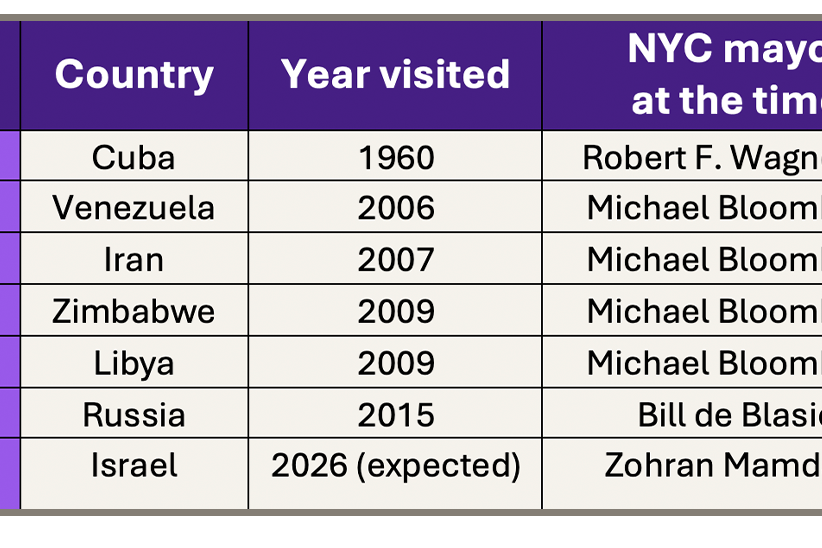
We must remember these lessons today. NATO is one of the most successful alliances in history. We need it now more than ever, as threats to the West proliferate. But promises and smiles for the camera are not enough to ensure an alliance endures. The terms of the agreement need to be realistic. President Trump is right that the United States has carried an enormous share of NATO’s defense burden, and it is fair to call for greater balance. That push has produced real change. Since 2014, allied defense spending has climbed sharply, and after Russia’s invasion of Ukraine in 2022 that climb accelerated. Every European ally in NATO now meets or exceeds the 2 percent of GDP that members long treated as a floor but failed to meet. The table below shows a few key examples.

But there is a difference between strengthening an alliance and humiliating it. And there is a difference between celebrating Article 5 and doing the work actually required to make that promise meaningful.
Owen Young’s example reminds us that diplomacy is about sitting across from those with different interests and finding terms everyone can live with. That is what serious leadership requires today. America should not carry the free world alone, but neither should we forget that our alliances are among our greatest sources of strength. The task is to make them fairer, stronger, and more durable, not to let frustration pull them apart.



You must be logged in to post a comment.