


Forty years ago, Congress passed the Immigration Reform and Control Act of 1986.
It is the last time our legislature passed a comprehensive immigration reform, and it helps explain how immigration has become a festering wound that will not heal.
The events in Minneapolis these past few weeks have pushed America to the breaking point. Hopefully it wakes up our leaders to the reality that the time for posturing and politicking on immigration has long passed. More people will die if this continues. It is time for Congress to do its job and fix our broken immigration system.
Earlier this week, Republican Congressman Mike Lawler of New York published an op-ed in the New York Times calling for exactly that. The deaths of Renee Good and Alex Pretti in Minneapolis, Lawler wrote, show that “what the country has been doing is not working.” He called on his colleagues to stop retreating to partisan corners and start building a realistic plan to fix a broken system.
Lawler outlined what that plan requires. Build on the Trump administration’s border security progress while reassessing enforcement tactics that have caused chaos in American communities. Create a path to legal status for long-term undocumented immigrants without criminal records, one that is rigorous and fair and keeps families together. Reform legal immigration to better account for economic needs and merit.
He also urged something that should not be controversial: collaboration between federal, state, and local law enforcement. Minneapolis showed what happens when that collaboration breaks down. Fortunately, this week brought signs that leaders in Washington and Minneapolis are stepping back from the brink and working to build a durable way forward.
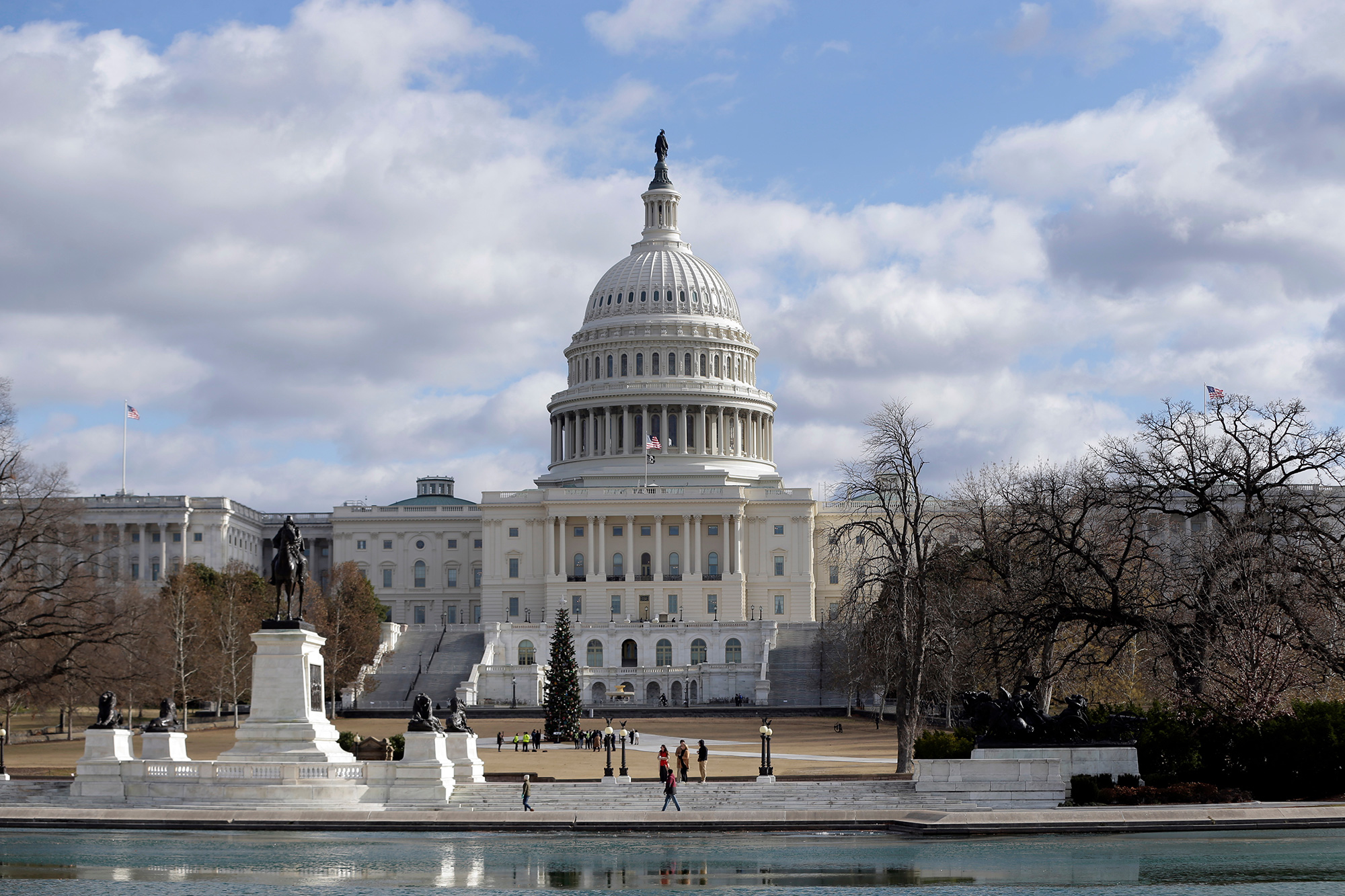
Still, that will not change the fact that only Congress can change the laws governing our immigration system. Other members should take a cue from Rep. Lawler and get to work.
As the immigration debate continues, you are likely to hear plenty of talk about “sanctuary cities” – but this is a political term, not a legal one.
If you want to understand what “sanctuary city” actually means, we wrote a simple explainer HERE.
The term “sanctuary city” describes a range of local policies limiting cooperation with federal immigration enforcement. Some jurisdictions, like Houston and Miami, maintain moderate cooperation with Immigration and Customs Enforcement (ICE) while limiting certain inquiries. Others, like New York and Chicago, require judicial warrants before transferring detainees for serious offenses. A smaller group, including Seattle and the State of California, share minimal information and keep their systems largely separate from federal enforcement.

These distinctions matter. Lumping all sanctuary policies together makes it harder to have an honest conversation about what is working, what is not, and what changes would actually improve public safety.
Certain moments in American politics force action. Minneapolis may be that moment for immigration reform. The question is whether Congress will seize it or retreat to familiar corners and let the issue fester for another four decades.
Congressman Lawler put it plainly: “There will be no Democratic or Republican solution on immigration, only an American one.”
We agree. And we are encouraged that leaders are already reaching across the aisle. This week, Rep. Josh Gottheimer (D-NJ) announced the ICE Standards Act, bipartisan legislation to establish professional guardrails for federal immigration enforcement. The bill responds to the tragedy in Minneapolis by requiring mandatory training, body cameras, and advance coordination with local law enforcement. It is exactly the kind of serious governing the country needs: tough on enforcement, protective of constitutional rights, and focused on commonsense solutions rather than partisan posturing.




You must be logged in to post a comment.